Introduction
Acute unilateral vestibulopathy, also commonly called vestibular neuritis, is a condition that causes sudden vertigo, dizziness, nausea and imbalance. It occurs when one side of the vestibular system, which is the balance system of the inner ear and vestibular nerve, suddenly stops working properly.
The symptoms can be dramatic. Many people describe waking with severe spinning vertigo, vomiting, inability to walk straight, or a feeling that the world is moving even when they are still. Symptoms usually last much longer than BPPV. Instead of brief spinning triggered by rolling over, vestibular neuritis often causes continuous vertigo or severe imbalance lasting hours to days.
At Melbourne Balance Clinic, we assess acute unilateral vestibulopathy as part of a focused service for vertigo, dizziness and balance disorders. Our aim is to confirm the likely diagnosis, exclude other important causes, assess vestibular function and guide recovery with a practical management plan.
What Is Acute Unilateral Vestibulopathy?
Acute unilateral vestibulopathy means a sudden reduction of balance function on one side.
“Acute” means it begins suddenly. “Unilateral” means one-sided. “Vestibulopathy” means a disorder of the vestibular balance system. Vestibular neuritis is a commonly used term for the same condition, particularly when inflammation of the vestibular nerve is suspected.
The Bárány Society describes acute unilateral vestibulopathy, or vestibular neuritis, as an acute vestibular syndrome caused by acute one-sided loss of peripheral vestibular function, without evidence of acute central neurological or hearing-related symptoms or signs.
In simple terms, one balance nerve or inner ear balance system suddenly sends reduced or abnormal signals to the brain. The brain receives mismatched information from the two sides, creating the sense of vertigo. This can be associated with nausea, eye movement changes and imbalance.
What Does Vestibular Neuritis Feel Like?
Vestibular neuritis usually causes a sudden and sustained episode of vertigo or severe dizziness. The vertigo may be described as spinning, tilting, pulling, rocking or a powerful sense that the environment is moving.
Common symptoms include:
Sudden vertigo or severe dizziness
Nausea and vomiting
Worsening symptoms with head movement
Blurred or unstable vision when moving the head
Fatigue, brain fog or reduced concentration during recovery
Ongoing imbalance after the severe spinning has settled
Symptoms are often worst in the first 24 to 72 hours. Many people then improve gradually, although recovery can take days, weeks or sometimes longer.
Unlike labyrinthitis, vestibular neuritis does not usually cause new hearing loss. Labyrinthitis involves inflammation of both the hearing and balance organs of the inner ear that can affect balance and cause hearing loss – this is thought to be related to viral infection. Vestibular neuritis affects balance rather than hearing. However, hearing loss is a concerning sign and should prompt presentation to an acute medical service (emergency department).
How Is This Different From BPPV?
BPPV usually causes brief spinning vertigo triggered by specific head positions, such as rolling over in bed, lying down, looking up or bending forward. The spinning usually lasts seconds.
Vestibular neuritis is different. It usually causes continuous vertigo or severe imbalance lasting at least 24 hours, often with nausea, vomiting and difficulty walking.
A person with BPPV may feel relatively normal between short positional episodes. A person with vestibular neuritis is often unwell even when lying still, especially early in the illness.
This difference matters because the treatment pathway is different. BPPV is usually treated with repositioning manoeuvres. Vestibular neuritis is usually managed with short-term symptom control, assessment of vestibular function and rehabilitation to help the brain compensate.
How Is This Different from Labyrinthitis?
The terms vestibular neuritis and labyrinthitis are sometimes used interchangeably, but they are not exactly the same.
Vestibular neuritis primarily affects the balance nerve or vestibular system. Hearing is usually preserved.
Labyrinthitis involves inflammation of the inner ear labyrinth and may affect both balance and hearing. This means vertigo with new hearing loss, tinnitus or ear symptoms may suggest labyrinthitis or another inner ear condition rather than straightforward vestibular neuritis.
New or sudden hearing loss in isolation or with associated vertigo should be assessed promptly, as it may require urgent medical treatment.
Why Does Vestibular Neuritis Happen?
Vestibular neuritis is often thought to be related to inflammation affecting the vestibular nerve. In many cases, a viral trigger is suspected, although a definite cause is often not proven.
Some people develop symptoms after a cold, flu-like illness or other infection. Others have no obvious illness beforehand.
The condition causes a sudden imbalance between the two vestibular systems. The unaffected side continues sending normal balance signals, while the affected side sends reduced or abnormal signals. The brain interprets this mismatch as movement, which causes vertigo and nausea.
Over time, the brain can adapt to the changed signal. This recovery process is called vestibular compensation. Vestibular rehabilitation and gradual return to movement can support this process.
When Should Sudden Vertigo Be Treated as an Emergency?
Sudden severe vertigo should be taken seriously, especially when it is the first episode or does not clearly fit a previous pattern.
Vestibular neuritis can resemble more serious conditions, including stroke affecting the brainstem or cerebellum. This is why urgent medical assessment may be needed, particularly in older patients or people with vascular risk factors.
While common causes of vertigo include BPPV, vestibular neuritis and Ménière’s disease, serious causes such as stroke, multiple sclerosis and tumours also need to be considered in selected patients.
How Is Vestibular Neuritis Diagnosed?
Diagnosis begins with the story of how symptoms started. Vestibular neuritis typically causes sudden, sustained vertigo or dizziness of moderate to severe intensity, usually lasting at least 24 hours.
Your doctor will ask about timing, triggers, nausea, vomiting, hearing symptoms, headache, migraine history, neurological symptoms, falls, medications and previous episodes.
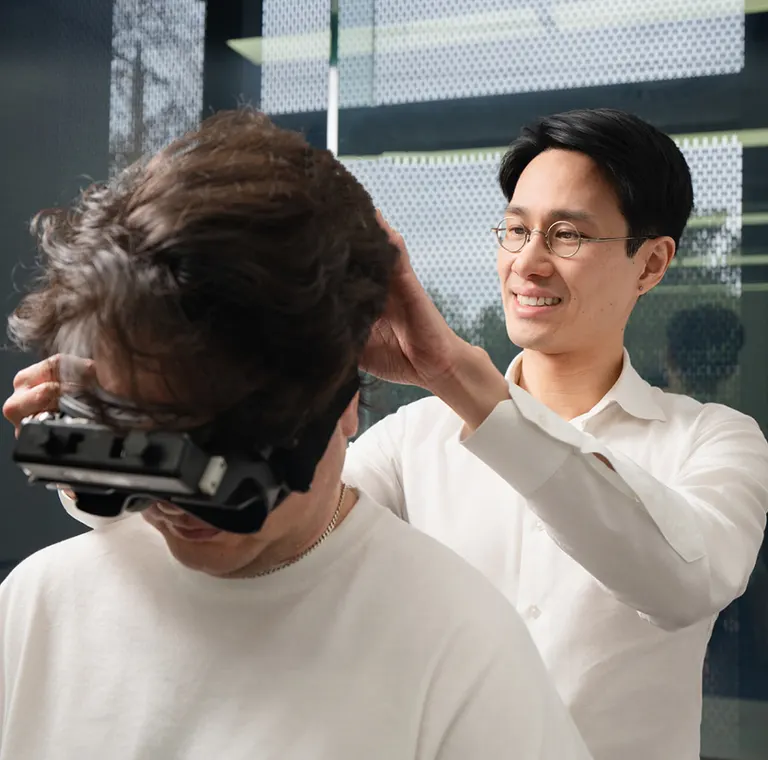
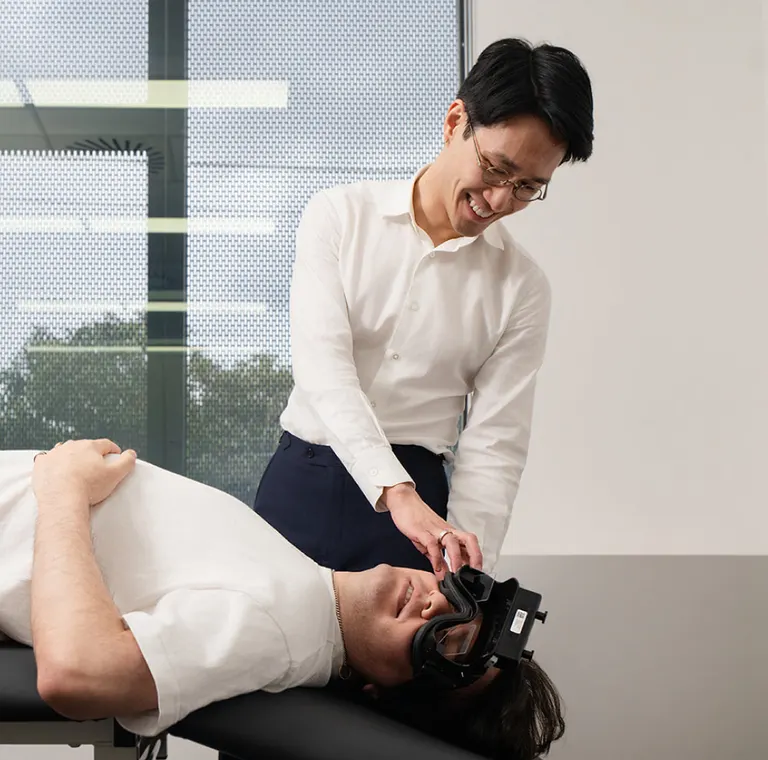
The examination may include assessment of eye movements, balance, walking, coordination and neurological function. In vestibular neuritis, characteristic involuntary eye movements, called nystagmus, may be present. There may also be abnormal head impulse testing, which suggests reduced vestibular function on one side.
The Bárány Society diagnostic criteria include acute or subacute onset of sustained spinning or non-spinning vertigo of moderate to severe intensity, with symptoms lasting at least 24 hours.
Because stroke and other neurological conditions can mimic vestibular neuritis, the overall clinical context is very important.
What Tests Might I Need?
Testing depends on your symptoms, examination findings and stage of recovery.
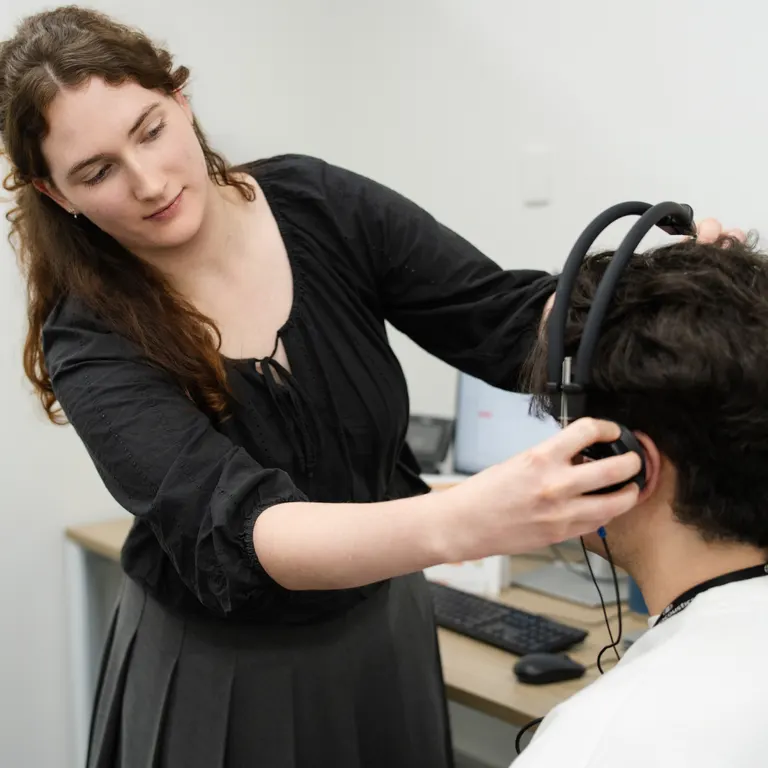
Vestibular function testing may be recommended to assess how well each inner ear balance system is working. This can help confirm one-sided vestibular weakness, measure severity and guide rehabilitation.
Testing may also be useful if symptoms are not improving as expected, if the diagnosis is uncertain, or if there are recurrent episodes.
Hearing assessment may be recommended if there is tinnitus, ear fullness or any concern about hearing change. Hearing loss is not typical of simple vestibular neuritis, so hearing symptoms may point towards labyrinthitis, Ménière’s disease, sudden sensorineural hearing loss or another condition.
Imaging may be considered if symptoms are atypical, if neurological signs are present, or if there is concern about a central cause such as stroke.
At Melbourne Balance Clinic, testing is used to answer a clinical question and guide treatment, not simply to generate results.
Can Vestibular Neuritis Be Treated?
Yes. Treatment depends on the stage of the condition and the severity of symptoms.
In the early phase, treatment may focus on controlling nausea, vomiting and severe vertigo. Short-term medication may be used in some patients, but prolonged use of vestibular suppressants is generally avoided because it can slow the brain’s compensation process.
If a rash is present, it may be swabbed or tested, as this can suggest a potential viral cause and may prompt your doctor to consider antiviral treatment.
Corticosteroids may be considered in selected patients early in the illness, depending on timing, severity, medical history and the treating doctor’s judgement.
The most important part of a therapeutic strategy for vestibular neuritis is rehabilitation. Vestibular rehabilitation uses specific exercises to help the brain adapt to the reduced signal from one side. This may include gaze stabilisation, balance training, walking exercises and graded movement exposure.
How Long Does Recovery Take?
Recovery varies. Some people feel much better within days. Others continue to experience imbalance, motion sensitivity, visual blurring with head movement or fatigue for weeks or months.
The severe spinning vertigo usually improves first. Ongoing symptoms may include unsteadiness when walking, difficulty turning quickly, or a sense that vision bounces during head movement.
Recovery depends on the severity of the vestibular injury, age, general health, activity level, migraine tendency, anxiety around movement, and the individual’s adherence to rehabilitation strategies and exercises.
Remaining completely still for too long can delay recovery. After the acute phase and severe symptoms have settled, movement and vestibular rehabilitation help the brain recalibrate.
Why Do I Still Feel Dizzy After the Acute Episode?
Some patients continue to feel dizzy even after the initial vestibular neuritis has improved. There are several possible reasons.
The affected vestibular system may not have fully recovered. The brain may still be figuring out how to compensate. The person may have become visually dependent, relying heavily on vision for balance. Vestibular migraine may be triggered by the event. Some patients develop persistent postural-perceptual dizziness, or PPPD, after an acute vestibular episode.
This is why follow-up assessment can be important. Persistent dizziness after vestibular neuritis should not simply be ignored. Identifying the reason for ongoing symptoms can guide the right treatment.
For example, ongoing one-sided vestibular weakness may benefit from vestibular rehabilitation. Active vestibular migraine may need migraine management. PPPD may require education, graded exposure and psychological therapy focused on visual motion sensitivity and one’s response to an unpleasant stimulus.
Can Vestibular Neuritis Come Back?
Most people experience vestibular neuritis as a single major episode.
If symptoms keep coming back in repeated attacks, the diagnosis may need to be reviewed. Recurrent vertigo may suggest other diagnoses, such as vestibular migraine or Ménière’s disease.
Some people also develop secondary BPPV after an acute unilateral vestibulopathy. This can cause brief positional spinning vertigo in addition to the persistent imbalance.
A specialist balance assessment can help determine whether persistent symptoms represent ongoing recovery, secondary BPPV, or another diagnosis.
Why Choose Melbourne Balance Clinic?
Melbourne Balance Clinic provides specialist assessment for vertigo, dizziness and balance disorders, including acute unilateral vestibulopathy and vestibular neuritis.
Our approach focuses on confirming the diagnosis, assessing vestibular function, identifying any warning signs, and guiding recovery. We also consider related or overlapping conditions such as BPPV, vestibular migraine, PPPD, Ménière’s disease and neurological causes of dizziness.
This is important because sudden vertigo can be frightening and sometimes difficult to diagnose accurately. A clear explanation and treatment plan can reduce uncertainty, support recovery and help patients safely return to normal activities.
Where appropriate, we can coordinate care with your GP, vestibular physiotherapist, ENT specialist and other treating clinicians.
When Should I Book an Appointment?
You should consider booking an appointment if you have had a sudden episode of severe vertigo or dizziness and continue to experience imbalance, motion sensitivity, visual blurring with head movement or difficulty returning to normal activities.
You may also benefit from assessment if you were diagnosed with vestibular neuritis but symptoms have not improved as expected, if the diagnosis is uncertain, or if you now have recurrent attacks of vertigo/dizziness.
If symptoms are sudden, severe or associated with neurological symptoms, seek urgent medical care first at your local emergency department.
Book an Appointment for Vestibular Neuritis in Melbourne
Vestibular neuritis can be frightening and disabling in the early stage, but many people improve with the right diagnosis, guidance and rehabilitation plan.
Melbourne Balance Clinic provides specialist assessment for acute unilateral vestibulopathy/vestibular neuritis, ongoing imbalance and other complex vestibular disorders.
Contact Melbourne Balance Clinic to arrange an appointment and take the next step towards understanding your symptoms and supporting your recovery.
Last reviewed October 2026
Sources8 references
- PMC PubMed Central; Acute unilateral vestibulopathy/vestibular neuritis: Diagnostic criteria: https://pmc.ncbi.nlm.nih.gov/articles/PMC9661346
- Healthdirect; Labyrinthitis: https://www.healthdirect.gov.au/labyrinthitis
- Better Health Channel; Labyrinthitis and vestibular neuritis: https://www.betterhealth.vic.gov.au/health/conditionsandtreatments/labyrinthitis-and-vestibular-neuritis
- Australian Family Physician (AFP); An approach to vertigo in general practice: https://www.racgp.org.au/afp/2016/april/an-approach-to-vertigo-in-general-practice
- PubMed; Acute unilateral vestibulopathy/vestibular neuritis: Diagnostic criteria: https://pubmed.ncbi.nlm.nih.gov/35723133
- Lacour, M., Helmchen, C., Vidal, P.-P., 2016. Vestibular compensation: the neuro-otologist’s best friend. J Neurol 263, 54–64. https://doi.org/10.1007/s00415-015-7903-4
- Özgirgin, O.N., Mostafa, B.E., Zaytoun, G.M., Mohamad, A., Gouider, H.B.H., Bouazzaoui, A., Hofmeyr, L.M., Karimova, N.A., Fawzy, M., Qureshi, S., 2026. Vestibular compensation: extended review. Front. Neurol. 17. https://doi.org/10.3389/fneur.2026.1769641
- Peppard, S.B., 1986. Effect of Drug Therapy on Compensation from Vestibular Injury. The Laryngoscope 96, 878–898. https://doi.org/10.1002/lary.1986.96.8.878