Introduction
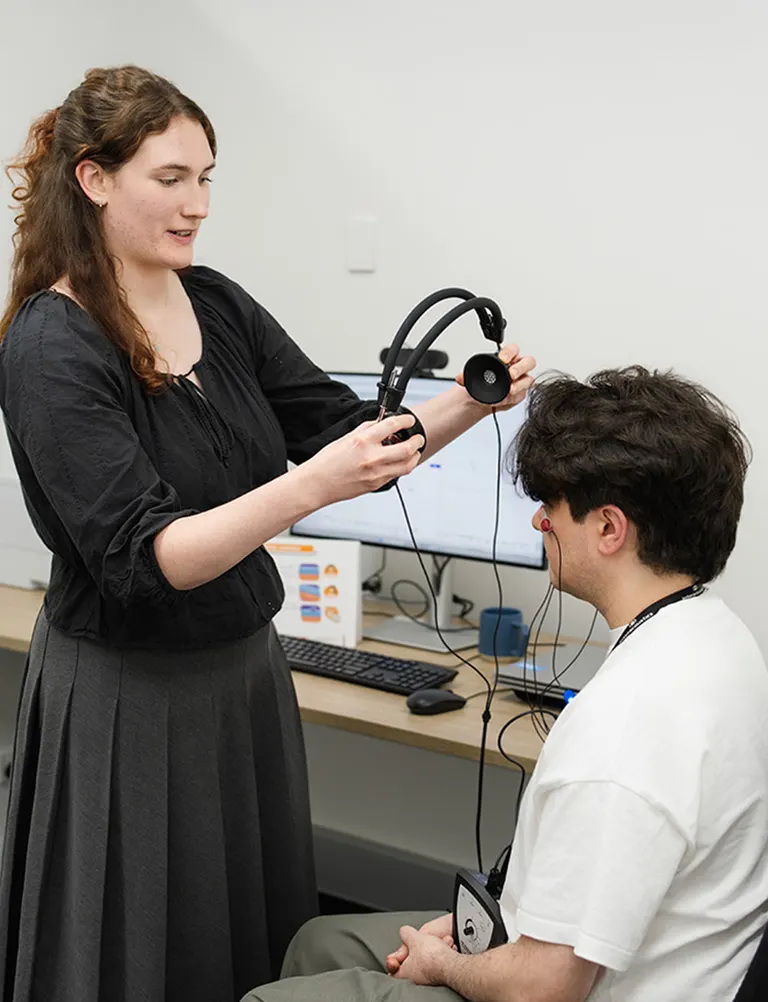
Vestibular function testing is used to assess how well the balance organs of the inner ear and their connections to the brain are working. These tests can help investigate the cause of vertigo, dizziness, imbalance, motion sensitivity, falls and blurred vision with head movement.
The vestibular system helps the brain detect head movement, keep vision steady while moving, and maintain balance when standing or walking. When this system is not working properly, people may feel dizzy, nauseated, unsteady, disoriented or unsafe when moving.
At Melbourne Balance Clinic, vestibular function testing is used as part of a broader clinical assessment. The aim is not simply to perform tests, but to understand what is causing your symptoms and guide the right treatment plan.
What Is Vestibular Function Testing?
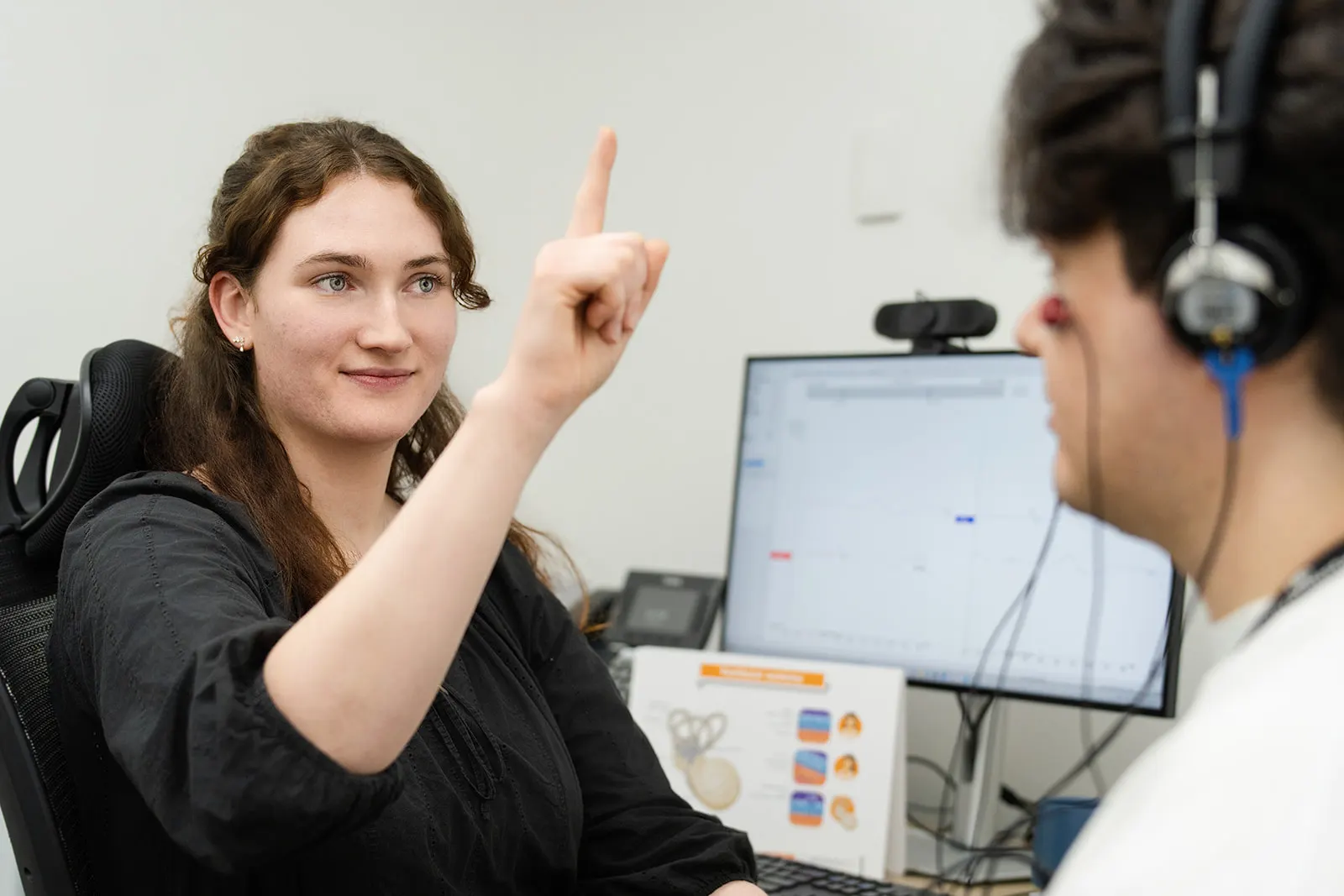
Vestibular function testing refers to a group of tests that assess the balance system. These tests may look at eye movements, inner ear reflexes, positional triggers and how the brain responds to balance signals.
The inner ear balance organs are closely linked to the eyes. When your head moves, the vestibular system helps keep your vision stable. This is why many vestibular tests record eye movements. Eye movement patterns can provide important clues about whether the dizziness is coming from the inner ear, the brain, or another part of the balance system.
Not every patient needs every test. The type of testing recommended will depend on your symptoms, examination findings and suspected diagnosis.
Why Might I Need Vestibular Testing?
Vestibular testing may be recommended when the cause of dizziness or imbalance is unclear, symptoms are persistent or recurrent, or more information is needed before planning treatment.
You may benefit from vestibular testing if you experience:
Recurrent vertigo or dizziness
Persistent imbalance or unsteadiness
Dizziness triggered by head movement
Blurred or bouncing vision while walking
Motion sensitivity
Falls or near-falls
Symptoms after vestibular neuritis
Suspected bilateral vestibulopathy
Complex or recurrent BPPV
Dizziness that has not improved with standard treatment
Testing can help identify whether one inner ear balance system is weaker, whether both sides are affected, whether BPPV is present, or whether another condition may be contributing.
What Conditions Can Vestibular Testing Help Assess?
Vestibular function testing can assist in the assessment of many dizziness and balance conditions, including BPPV, vestibular neuritis, bilateral vestibulopathy, Ménière’s disease, vestibular migraine, persistent postural-perceptual dizziness and complex or unexplained imbalance.
It is important to understand that vestibular testing is only one part of diagnosis. The most accurate diagnosis usually comes from combining your symptom pattern, examination findings, test results and broader medical history.
Some conditions, such as vestibular migraine or PPPD, may have normal or non-specific vestibular test results. In these cases testing is used to check whether other vestibular conditions may occur alongside the suspected condition. The diagnosis ultimately depends on the full clinical picture, not one test alone.
What Types of Tests Might Be Used?
The testing plan will depend on what your doctor is trying to clarify.
Common vestibular tests may include video head impulse testing, videonystagmography, caloric testing, positional testing and vestibular evoked myogenic potentials.
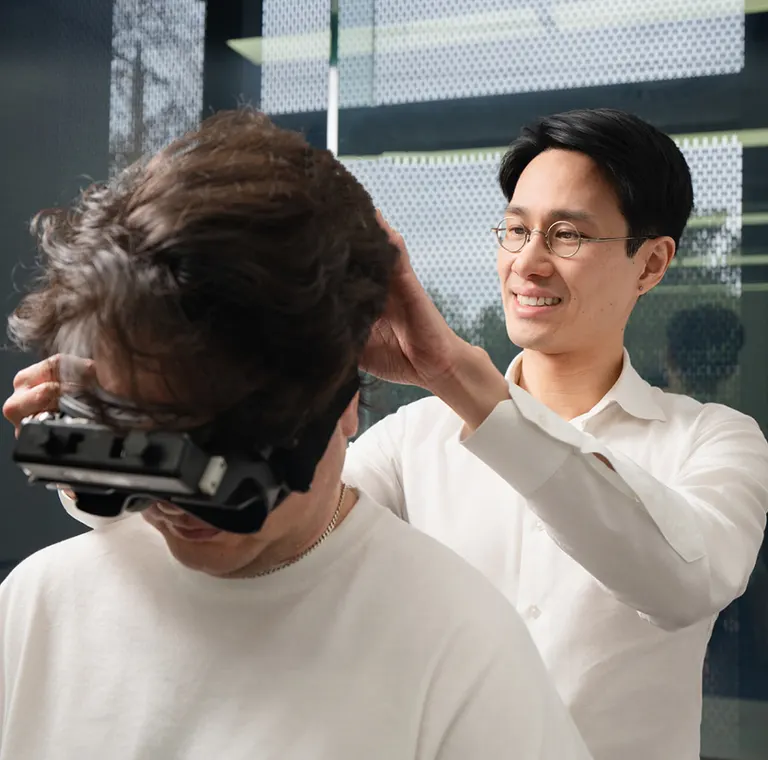
Video head impulse testing assesses how well the eyes remain stable during small, quick head movements.
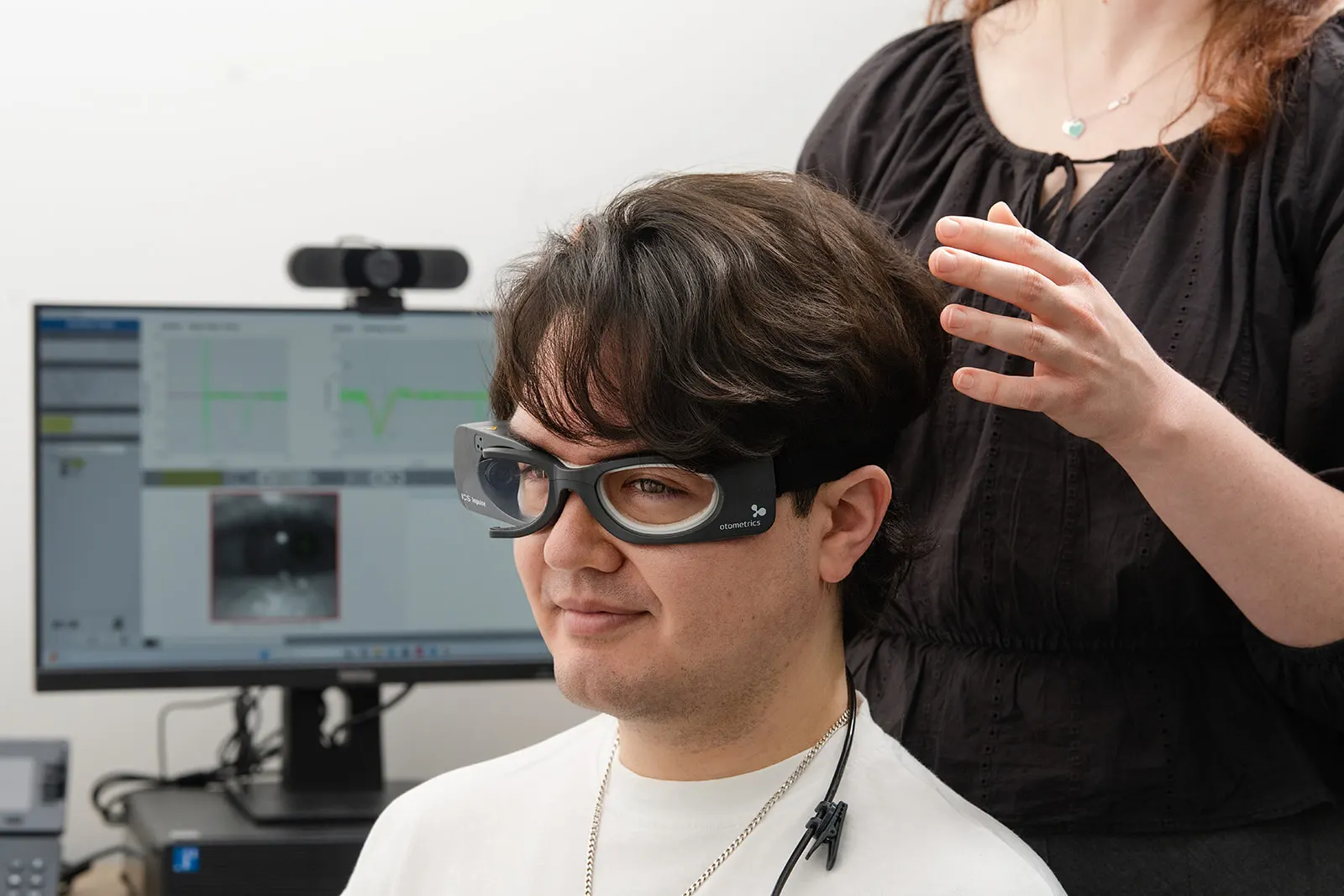
Videonystagmography uses goggles with cameras to record eye movements while you look in different directions, follow targets or change position.
Caloric testing assesses each inner ear separately by stimulating the ear canal with warm or cool air or water.
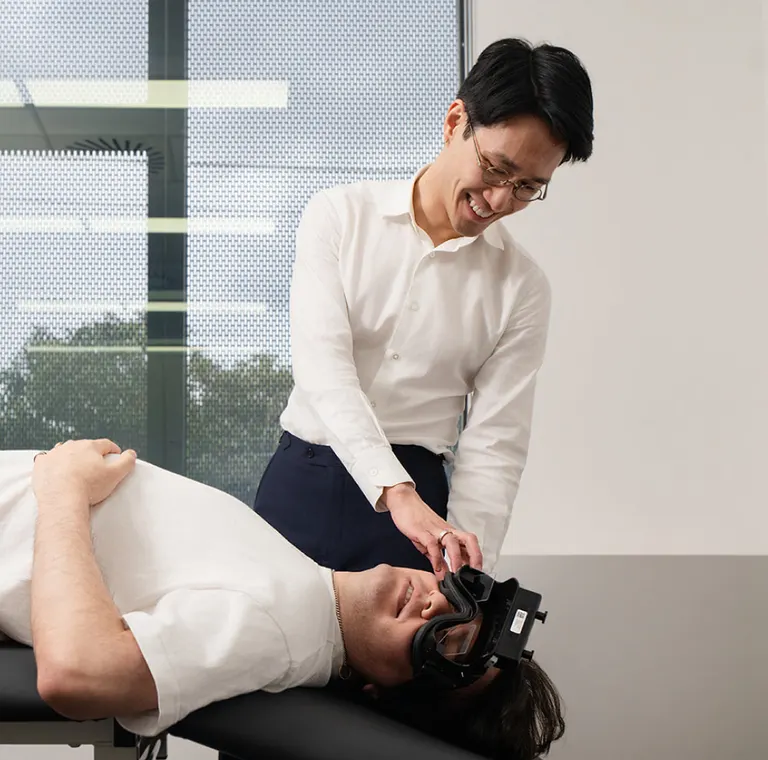
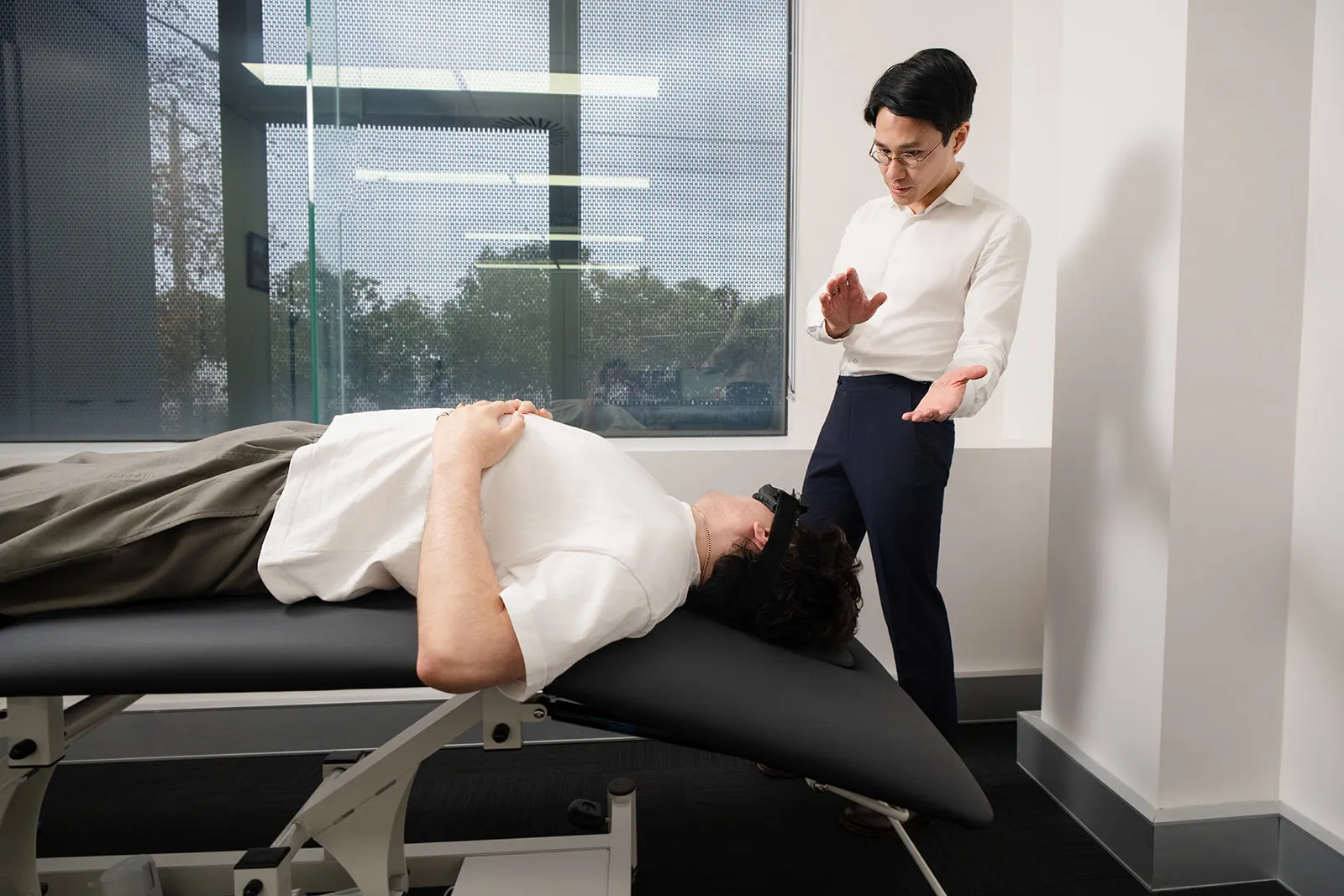
Positional testing is used to look for BPPV and other position-triggered dizziness patterns.
Vestibular evoked myogenic potentials assess specific inner ear balance organs and related reflex pathways.
You may not need all of these tests. Testing should be targeted to the clinical question.
Will Vestibular Testing Make Me Dizzy?
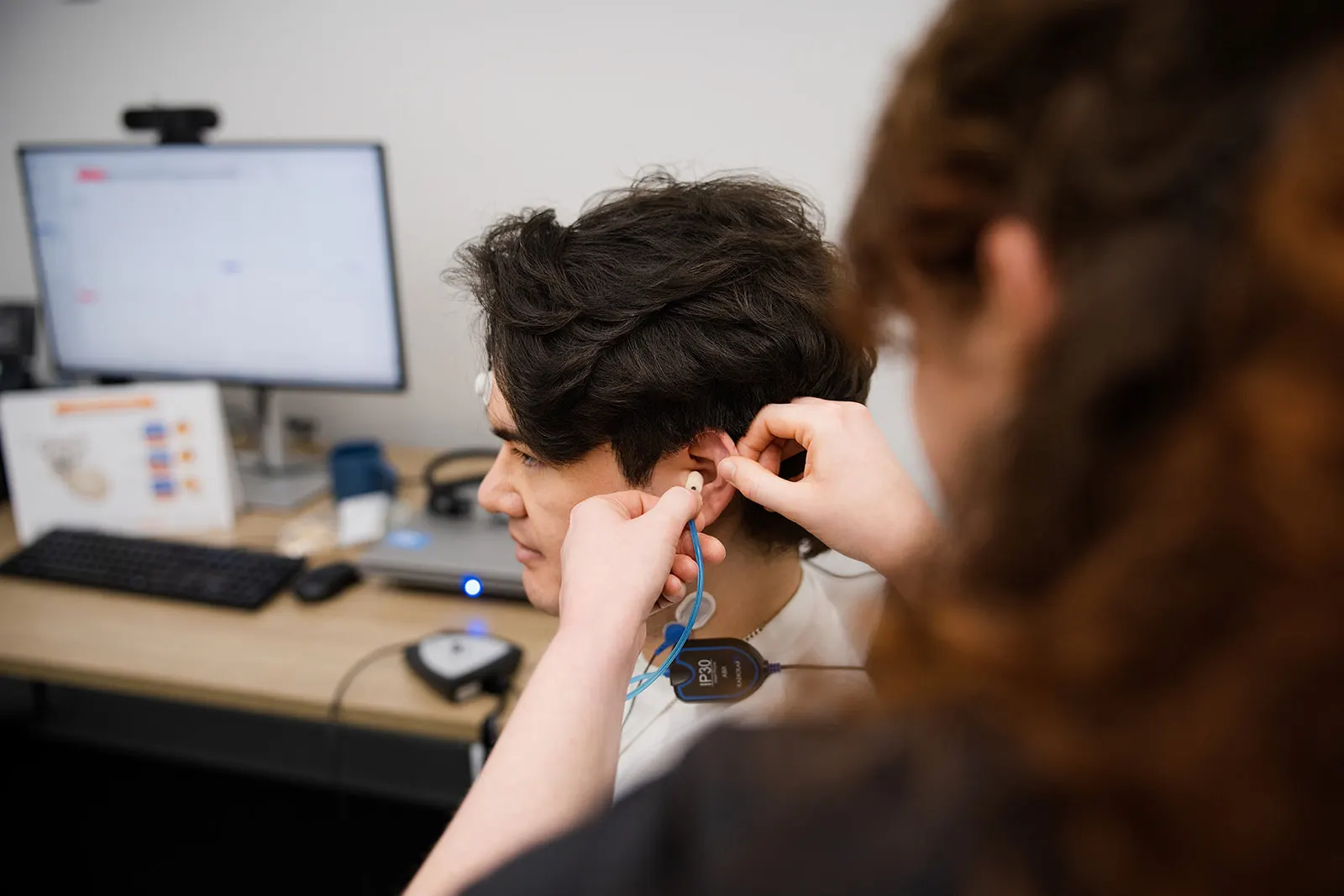
Some vestibular tests may briefly cause dizziness, nausea or a sensation of movement. This can be expected because the tests are designed to assess how your balance system responds to stimulation.
Symptoms are usually temporary. The clinician performing the test will guide you through the process and allow breaks where needed.
Some people feel tired or mildly unsteady after testing. Depending on your symptoms and the tests performed, you may prefer to have someone drive you home.
How Should I Prepare for Testing?
We will provide specific instructions before your appointment.
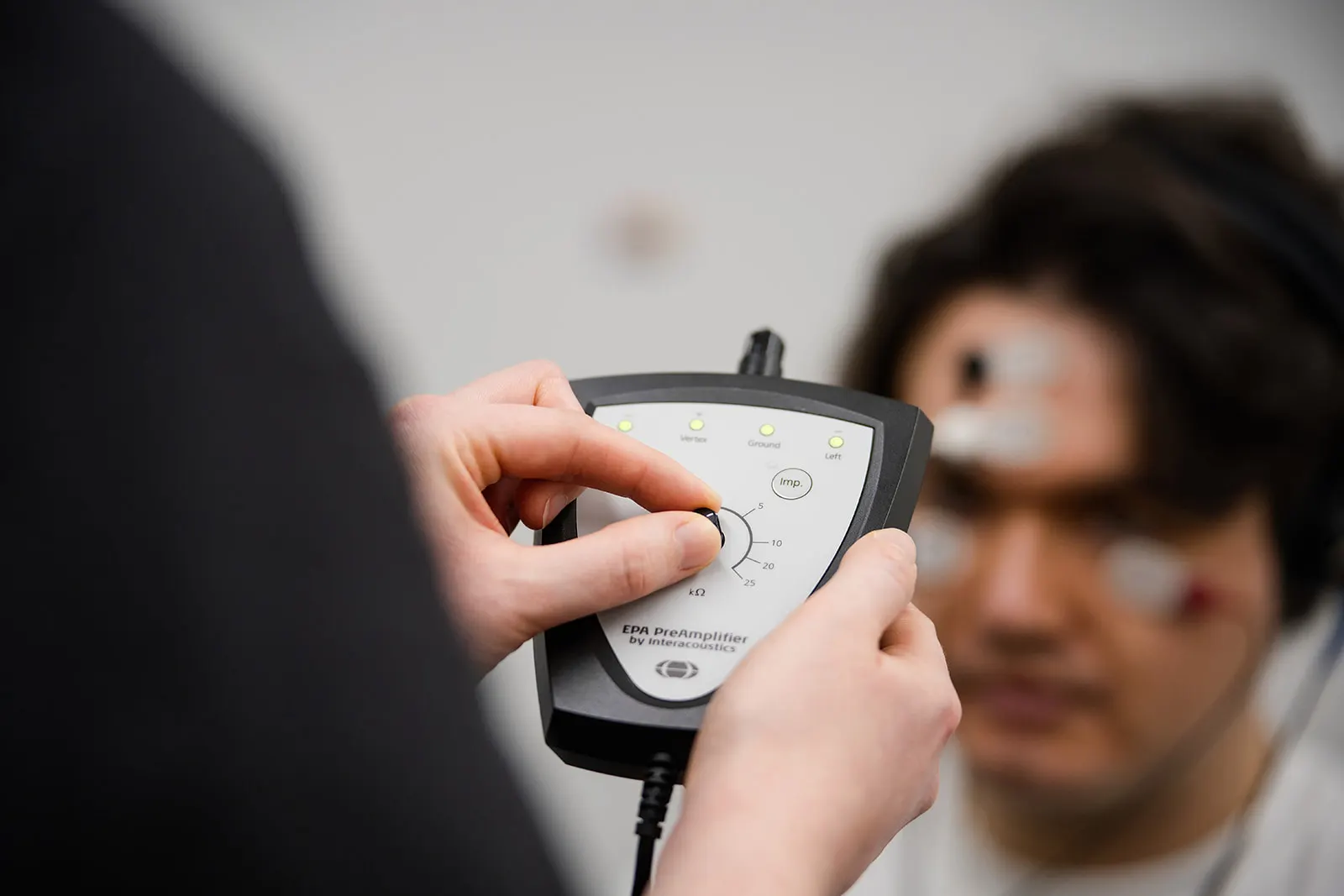
You should not wear make-up on the day of your testing. If you do wear make-up, we can help you remove it at the appointment using alcohol wipes to ensure the recording electrodes maintain sufficient contact with the skin.
You may be asked to avoid certain medications that can affect vestibular responses, such as some dizziness, nausea, sedating or anxiety medications. Do not stop prescribed medication unless you have been specifically instructed to do so.
You may also be asked to avoid alcohol before testing.
Patients should also avoid eating or drinking for 2 hours before the appointment, as some vestibular tests can elicit symptoms and cause nausea.
Please bring relevant information with you, including your medication list, referral letter, previous vestibular test results, hearing tests, imaging reports and any specialist letters.
What Happens During the Appointment?
Your appointment will usually begin with a review of your symptoms and relevant medical history. The clinician may ask when dizziness started, what triggers it, how long episodes last and whether you have hearing symptoms, migraine symptoms, falls or neurological symptoms.
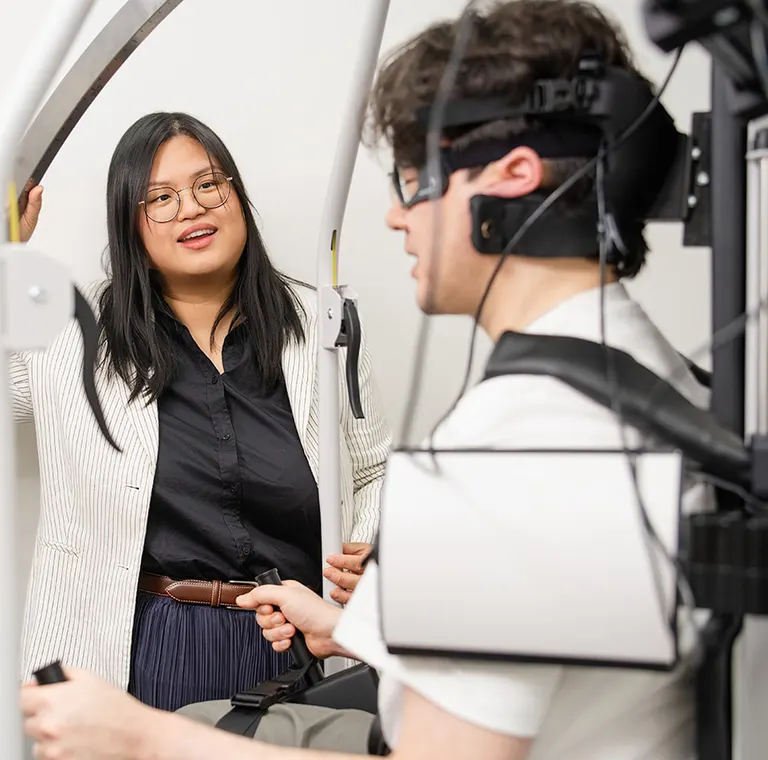
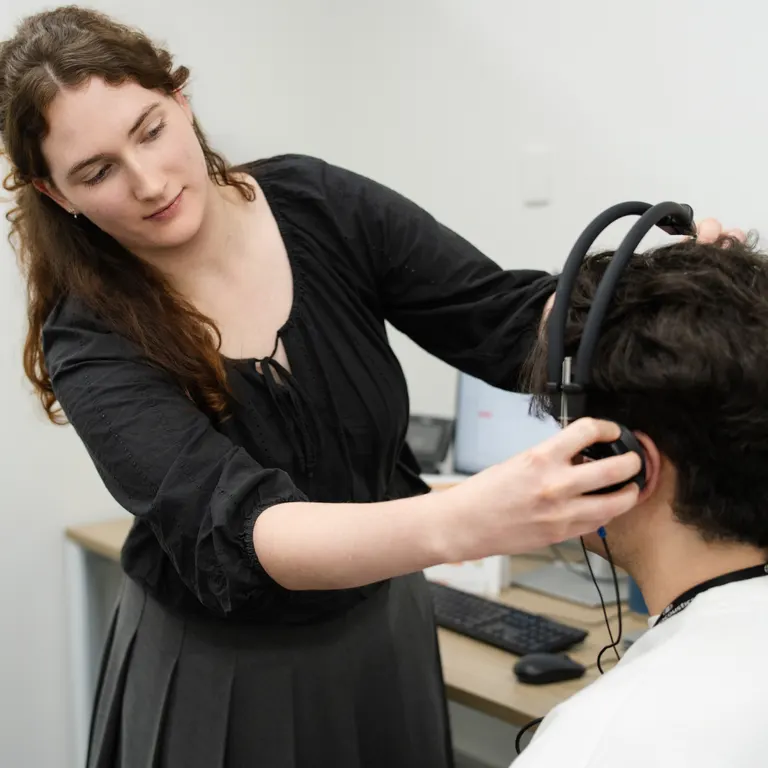
During testing, you may wear goggles that record your eye movements. You may be asked to follow targets, move your head, lie back, roll to one side, sit up or complete balance tasks.
Some tests involve brief head movements. Others involve changes in position or stimulation of the ear canal.
The testing plan is tailored to your symptoms. The goal is to collect useful information without doing unnecessary tests.
How Can Test Results Guide Treatment?
Vestibular testing can help guide treatment by identifying the type and pattern of vestibular dysfunction.
If BPPV is found, repositioning treatment may be recommended. If one-sided vestibular weakness is found after vestibular neuritis, vestibular rehabilitation may help the brain compensate. If both vestibular systems are reduced, treatment may focus on falls prevention, visual stability, walking confidence and balance rehabilitation.
If testing suggests the vestibular system is functioning normally, your doctor may consider other causes such as vestibular migraine, PPPD, medication effects, blood pressure changes or neurological contributors.
The aim is to avoid generic treatment and provide a plan matched to your symptoms.
Why Choose Melbourne Balance Clinic?
Melbourne Balance Clinic provides vestibular function testing within a specialist balance and dizziness service. This means your test results are interpreted in the context of your symptoms, examination findings and likely diagnosis.
This is important because vestibular testing is most useful when it answers a clear clinical question. A test result alone does not always explain why someone feels dizzy. The value comes from connecting the result to your real-world symptoms and treatment options.
Our clinic assesses inner ear disorders, migraine-related dizziness, PPPD, neurological contributors, falls risk and complex overlapping conditions.
Book an Appointment for Vestibular Function Testing in Melbourne
Vestibular function testing can provide valuable information for people living with vertigo, dizziness and balance problems. It can help clarify the diagnosis, guide treatment and support a more targeted recovery plan.
Contact Melbourne Balance Clinic to arrange an appointment for specialist vestibular assessment and testing in Melbourne.
Last reviewed October 2026
Sources1 reference
- Rosengren, S.M., Young, A.S., Taylor, R.L., Welgampola, M.S., 2022. Vestibular function testing in the 21st century: video head impulse test, vestibular evoked myogenic potential, video nystagmography; which tests will provide answers? Current Opinion in Neurology 35, 64–74. https://doi.org/10.1097/WCO.0000000000001023