Introduction
Bilateral vestibulopathy is a balance disorder where the vestibular system function is reduced on both sides. The vestibular system is the balance system of the inner ear organs and the respective vestibular nerves. It helps the brain detect head movement, stabilise vision during movement, and keep the body steady when standing or walking.
Unlike BPPV or Ménière’s disease, bilateral vestibulopathy does not usually cause sudden spinning attacks. Instead, it more commonly causes chronic imbalance, unsteadiness when walking, difficulty seeing clearly while moving, and worse balance in the dark or on uneven ground.
Many people with bilateral vestibulopathy describe feeling reasonably comfortable when sitting still, but unsteady when walking, turning, moving the head, showering, walking at night or walking on grass, gravel or uneven surfaces.
At Melbourne Balance Clinic, we assess bilateral vestibulopathy as part of a specialist service for vertigo, dizziness and balance disorders. Our aim is to identify whether both vestibular systems are affected, understand the likely cause, assess falls risk and guide a practical management plan.
What Is Bilateral Vestibulopathy?
Bilateral vestibulopathy means both inner ear balance systems are not working normally. This may involve reduced function of the vestibular organs, the vestibular nerves, or both.
The Bárány Society describes bilateral vestibulopathy as a chronic vestibular syndrome characterised by unsteadiness when walking or standing, usually worse in darkness, on uneven ground or during head movement. Patients may also experience blurred vision or oscillopsia (“jumpy” vision) during head or body movement. Diagnosis requires evidence of significantly impaired or absent vestibulo-ocular reflex function on both sides proven by objective vestibular function testing.
In simpler terms, the brain is not receiving enough balance information from either inner ear. This makes it harder to stabilise the eyes, and provides a discordant signal when compared to other senses (vision and proprioception) which feed into your overall sense of balance.
What Does Bilateral Vestibulopathy Feel Like?
Bilateral vestibulopathy often feels like imbalance or unsteadiness rather than a false sense of spinning, swaying or rocking. Many people with bilateral vestibulopathy do not feel dizzy while sitting or lying still, but become unsteady when they stand, walk or move their head.
Common symptoms include:
Unsteadiness when walking or standing
Worse balance in the dark
Difficulty walking on uneven ground, grass, gravel or slopes
Blurred or bouncing vision when walking or moving the head
Difficulty walking while turning the head
Feeling insecure in the shower or when closing the eyes
Increased reliance on vision, walls, rails or walking aids
Falls, near-falls or loss of confidence
Fatigue from concentrating on balance
A key symptom is oscillopsia. This means the visual world appears to bounce, blur or move when the head moves. For example, signs may be hard to read while walking, or vision may feel unstable when turning the head.
Why Are Symptoms Worse in the Dark or on Uneven Ground?
Balance depends on three main information systems: the vestibular system, vision, and sensation from the feet and joints (proprioception).
When the vestibular system is reduced on both sides, the brain becomes more dependent on vision and body sensation. This can work reasonably well in good lighting on flat ground. However, symptoms often become much worse when visual or foot feedback is reduced.
This is why people with bilateral vestibulopathy may struggle when walking at night, moving through dimly lit rooms, showering with eyes closed, walking on soft ground, stepping onto grass, or navigating uneven surfaces.
The problem is not simply “poor balance”. It is that the body has lost a major stabilising system and is relying more heavily on the remaining systems.
What Causes Bilateral Vestibulopathy?
There are many possible causes of bilateral vestibulopathy. Sometimes the cause is clear. In other cases, no definite cause is found.
Possible causes include certain medications that can damage the inner ear balance system, especially aminoglycoside antibiotics such as gentamicin; genetic or inherited balance disorders; autoimmune inner ear disease; meningitis; bilateral Ménière’s disease; neurodegenerative conditions; ageing-related vestibular decline; head injury; and complications from ear disease or surgery.
Some people develop bilateral vestibular loss gradually and may not notice a single clear starting point. Others notice symptoms after a severe illness, medication exposure or neurological diagnosis.
Identifying the cause matters because some causes may need specific treatment, monitoring or family counselling. It can also help predict whether symptoms are likely to remain stable, improve or progress.
Can Bilateral Vestibulopathy Increase the Risk of Falls?
Yes. Bilateral vestibulopathy can increase the risk of falls, particularly in older adults or in people who also have reduced vision, neuropathy, muscle weakness or other neurological conditions.
Falls are a major health issue in Australia. The Australian Institute of Health and Welfare reports that in 2024–25, people aged 65 and over were hospitalised for falls 12 times more often than adults aged 25 to 44.
Bilateral vestibulopathy is not the only cause of falls, but it can be an important and sometimes under-recognised contributor. A detailed balance assessment can help identify treatable factors and guide strategies to reduce risk.
How Is Bilateral Vestibulopathy Diagnosed?
Diagnosis begins with a detailed history. Your doctor will ask about imbalance, falls, walking confidence, symptoms in the dark, symptoms on uneven ground, visual blurring with head movement, hearing symptoms, medication exposure, neurological history and family history.
The examination may include assessment of eye movements, walking, balance, coordination, sensation in the feet, reflexes and neurological function.
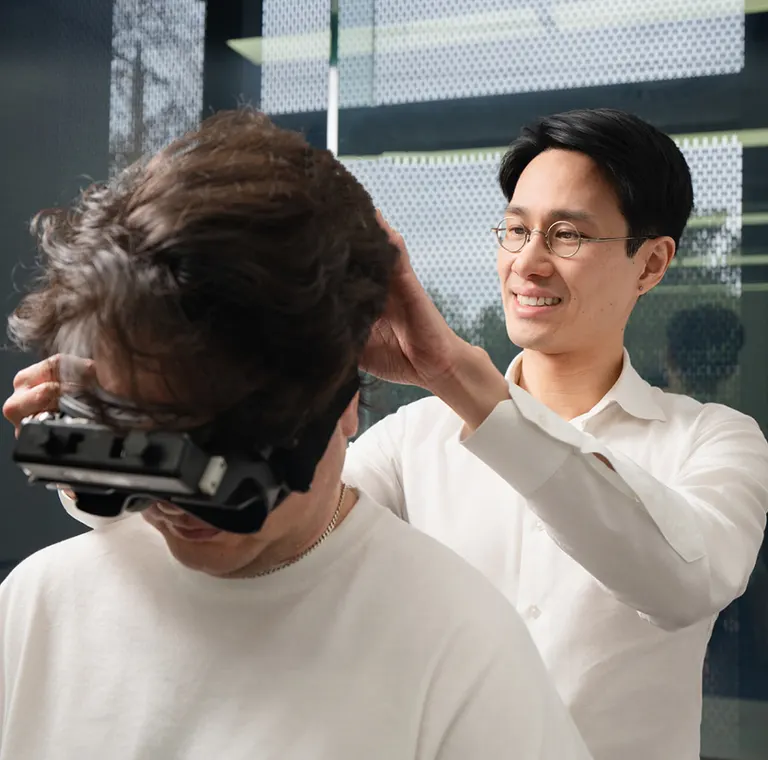
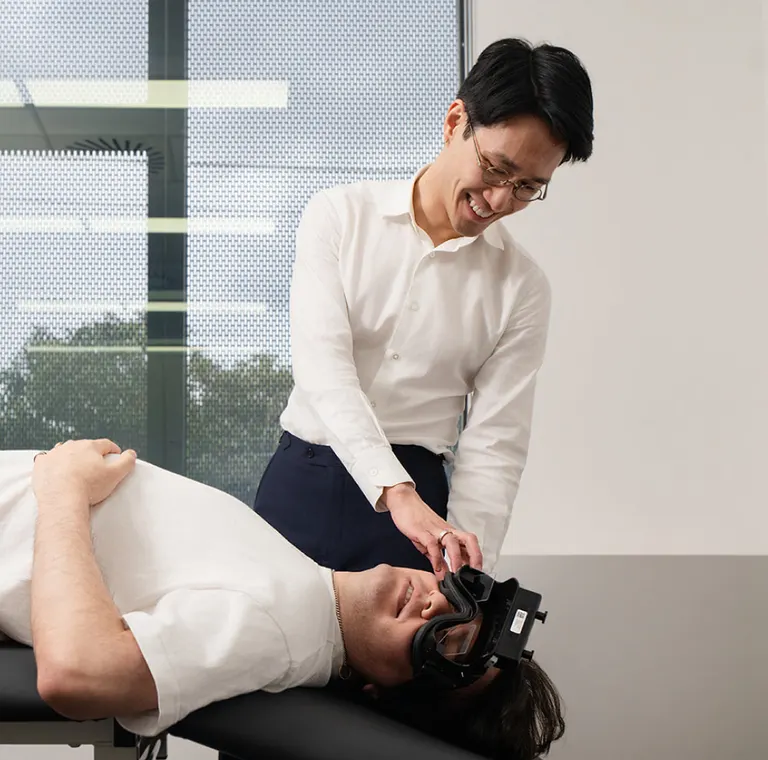
Vestibular testing is often important. Bilateral vestibulopathy requires objective evidence that vestibular function is reduced on both sides. This may be assessed using tests such as video head impulse testing or other vestibular function tests.
Testing helps answer important questions: are both vestibular systems affected, how severe is the loss, are other balance systems also involved, and does the pattern suggest a particular cause?
What Tests Might I Need?
The tests recommended will depend on your symptoms and clinical findings.
Vestibular function testing may be used to assess the vestibulo-ocular reflex, which helps keep vision stable during head movement. If this reflex is reduced on both sides, it can explain symptoms such as bouncing vision, blurred vision while walking and imbalance with head movement.
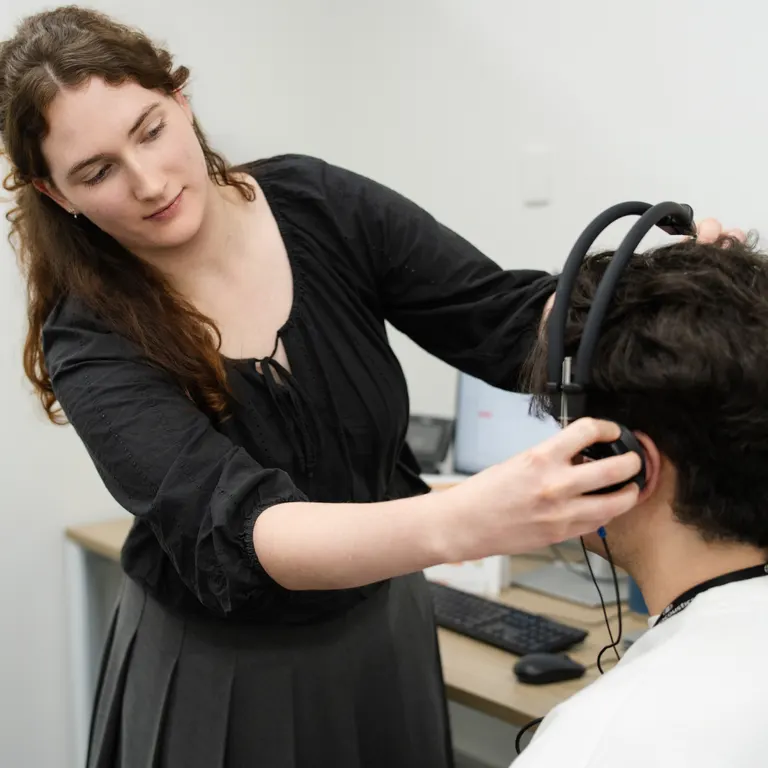
Hearing assessment may be recommended if there is hearing loss, tinnitus or ear pressure. This can help determine whether the hearing part of the inner ear is also affected.
Nerve conduction studies or EMG may be considered if there is concern that peripheral neuropathy or neuromuscular disease is contributing to imbalance. This is important because reduced sensation in the feet can worsen balance when vestibular function is already reduced.
Blood tests, imaging or genetic assessment may be considered in selected patients, depending on the suspected cause.
Can Bilateral Vestibulopathy Be Treated?
Bilateral vestibulopathy is often managed rather than cured, but treatment can still make a meaningful difference.
The main goals are to improve balance confidence, reduce falls risk, strengthen compensation through vision and body sensation, optimise walking safety, and identify any treatable contributing factors.
Vestibular rehabilitation is commonly recommended. This may include gaze stabilisation exercises, balance training, walking practice, strength work, falls prevention strategies and graded exposure to more challenging environments.
Treatment may also involve reviewing medications, optimising vision, managing neuropathy, improving limb strength, using appropriate footwear, addressing home safety and considering walking aids where needed.
Some patients feel discouraged when they hear that vestibular function is reduced on both sides. However, the brain can often improve its use of remaining sensory information. With the right rehabilitation and safety strategies, many people can improve confidence and function.
How does treatment differ for Bilateral Vestibulopathy?
Exercises recommended for bilateral vestibulopathy differ from those used to treat BPPV or acute vestibular neuritis.
In BPPV, treatment often aims to move displaced crystals back into the right part of the inner ear. In acute vestibular neuritis, rehabilitation helps the brain compensate for a new one-sided loss.
In bilateral vestibulopathy, both sides are reduced, so the brain has less vestibular information to work with. Rehabilitation therefore focuses on strengthening alternative strategies, improving visual stability, building balance confidence and reducing risky situations.
Exercises need to be tailored. If they are too easy, they may not help. If they are too difficult, they may increase falls risk or discourage progress. A structured plan is important.
What Can I Do to Reduce Falls Risk?
Falls prevention is a key part of managing bilateral vestibulopathy.
Helpful strategies may include improving the home environment by using night lights or improving lighting, removing trip hazards, installing rails where appropriate, wearing supportive footwear, avoiding walking in the dark without support, using caution on uneven ground, and taking extra care in the shower.
It may also be useful to have vision checked, review medications with your GP, assess bone health, improve leg strength and consider whether a walking aid would increase safety in certain environments.
The aim is not to make life smaller. The aim is to make movement safer so you can stay active, independent and confident.
Can Bilateral Vestibulopathy Occur with Other Conditions?
Yes. Bilateral vestibulopathy can occur alongside other causes of dizziness or imbalance.
Some patients also have vestibular migraine, BPPV, Ménière’s disease, neuropathy, Parkinson’s disease, cerebellar disorders or PPPD. Others have visual impairment, arthritis, muscle weakness or medication side effects that add to the balance problem.
This is why a broad assessment is important. If every symptom is attributed to bilateral vestibulopathy, other treatable problems may be missed. For example, a patient may have bilateral vestibular loss but also develop BPPV, which could be treated with repositioning manoeuvres.
A careful diagnosis helps separate the long-term balance problem from any additional treatable triggers.
Why Choose Melbourne Balance Clinic?
Melbourne Balance Clinic provides specialist assessment for vertigo, dizziness and balance disorders, including bilateral vestibulopathy.
Our approach considers the full balance system, not just the inner ear. We assess vestibular function, walking, neurological contributors, falls risk, visual dependence, peripheral neuropathy and possible overlapping conditions.
This is particularly important for bilateral vestibulopathy because symptoms can be gradual and easily mistaken for general ageing, poor fitness or anxiety about falling. A clear diagnosis can help patients understand why they feel unsteady and what can be done to improve safety and function.
The aim is to provide clear answers, targeted testing and a practical plan for rehabilitation, compensation and ongoing management.
When Should I Book an Appointment?
You should consider booking an appointment if you feel unsteady when walking, have difficulty walking in the dark, struggle on uneven ground, experience bouncing or blurred vision when moving, or have falls or near-falls without a clear explanation.
You may also benefit from assessment if you have been exposed to medications known to affect the inner ear, have a neurological condition, have progressive imbalance, or have been told your balance problem is simply due to age without a clear diagnosis.
Book an Appointment for Bilateral Vestibulopathy in Melbourne
Bilateral vestibulopathy can significantly affect walking confidence, independence and quality of life, but a clear diagnosis and structured management plan can help.
Melbourne Balance Clinic provides specialist assessment for bilateral vestibulopathy, chronic imbalance, oscillopsia, falls risk and complex vestibular disorders.
Contact Melbourne Balance Clinic to arrange an appointment and take the next step towards understanding your balance symptoms and improving your confidence.
Last reviewed October 2026
Sources5 references
- PMC PubMed Central; Bilateral vestibulopathy: Diagnostic criteria Consensus document of the Classification Committee of the Bárány Society: https://pmc.ncbi.nlm.nih.gov/articles/PMC9249284
- Australian Institute of Health and Welfare (AIHW); Injury in Australia: Falls: https://www.aihw.gov.au/reports/injury/falls
- Herssens, N., How, D., van de Berg, R., McCrum, C., 2022. Falls Among People With Bilateral Vestibulopathy: A Review of Causes, Incidence, Injuries, and Methods. JAMA Otolaryngol Head Neck Surg 148, 187–192. https://doi.org/10.1001/jamaoto.2021.3673
- Wuehr, M., Decker, J., Schenkel, F., Jahn, K., Schniepp, R., 2022. Impact on daily mobility and risk of falling in bilateral vestibulopathy. J Neurol 269, 5746–5754. https://doi.org/10.1007/s00415-022-11043-9
- Van Hecke, R., Van Rompaey, V., Wuyts, F.L., Leyssens, L., Maes, L., 2017. Systemic Aminoglycosides-Induced Vestibulotoxicity in Humans. Ear & Hearing 38, 653–662. https://doi.org/10.1097/AUD.0000000000000458