Introduction
Persistent postural-perceptual dizziness, often shortened to PPPD, is a condition that causes ongoing dizziness, unsteadiness or non-spinning vertigo. It is usually present on most days for three months or more and is often worse when standing, walking, moving the head, using screens or being in visually busy environments.
PPPD can be difficult to explain to family, friends and even health professionals. Many people with PPPD do not look unwell. Their scans or standard tests may be normal. They may be told they are anxious, stressed or “just dizzy”, even though their symptoms are very real and can be highly disruptive.
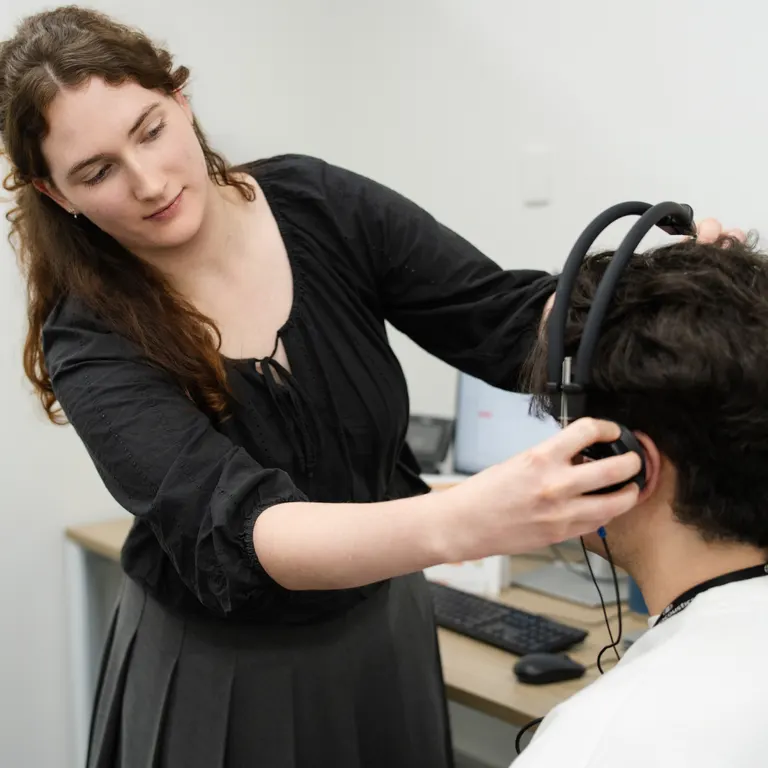
At Melbourne Balance Clinic, we assess PPPD as part of a detailed evaluation of vertigo, dizziness and balance disorders. Our aim is to identify any triggers, recognise any overlapping vestibular or neurological conditions, explain the diagnosis clearly and guide a practical treatment plan.
What Is PPPD?
PPPD is a chronic dizziness disorder. It does not usually cause brief spinning attacks like BPPV, and it is not simply a fear of dizziness. It is a recognised vestibular condition involving the way the brain processes balance, movement and visual information.
The Bárány Society diagnostic criteria describe PPPD as dizziness, unsteadiness or non-spinning vertigo present on most days for at least three months. Symptoms are usually worsened by upright posture, active or passive movement, and exposure to moving or complex visual stimuli. PPPD may be triggered by vestibular disorders, medical illness or psychological distress.
In simple terms, PPPD can happen when the brain remains on “high alert” after a dizziness or balance event. Even after the original trigger improves, the brain may continue to rely on protective balance strategies that make normal movement feel uncomfortable or unsafe.
What Does PPPD Feel Like?
PPPD often feels different from classic spinning vertigo. Many patients describe it as a constant or fluctuating sense of being off balance, spaced out, light-headed, foggy, swaying, rocking or disconnected from their surroundings.
Common symptoms include:
Dizziness or unsteadiness on most days
A rocking, swaying, floating or bobbing sensation
Feeling worse when standing or walking
Sensitivity to head movement
Difficulty walking through supermarkets, shopping centres or crowds
Discomfort with scrolling screens, patterned floors, traffic or moving visual scenes
Feeling visually overwhelmed or overstimulated
Brain fog, fatigue or reduced concentration
Fear of falling, even when falls are not occurring
Symptoms that improve when lying down, sitting still or avoiding busy environments
The symptoms may fluctuate. Some people have better and worse days. Others feel constantly unsettled, with symptoms increasing as the day goes on or in specific environments.
Why Is PPPD So Often Misunderstood?
PPPD is often misunderstood because it sits between several areas of medicine. It can begin after an inner ear disorder, migraine, concussion, panic episode, illness, surgery or period of severe stress. It can involve balance pathways, visual processing, attention, anxiety systems and movement confidence.
This does not mean the condition is imaginary. PPPD is a real disorder of balance perception and sensory processing. The problem is not that the person is “making it up”; the problem is that the brain has become overly cautious and sensitive when interpreting balance and movement signals.
Many patients with PPPD are able to walk, work and function, but only by using a large amount of effort. They may avoid busy places, move stiffly, hold onto walls, limit exercise, stop driving or reduce social activities. Over time, this avoidance can reinforce the condition.
What Can Trigger PPPD?
PPPD commonly begins after an event that disrupts balance or makes the person feel unsafe in their body.
Common triggers include:
BPPV
Vestibular migraine
Vestibular neuritis or acute unilateral vestibulopathy
Ménière’s disease
Concussion or head injury
Panic attacks or severe anxiety episodes
Medical illness or hospitalisation
Medication reactions
Falls or near-falls
Periods of prolonged dizziness or imbalance
Sometimes the original trigger settles, but the dizziness continues. For example, a person may recover from BPPV but remain visually sensitive and unsteady. Another person may have vestibular migraine attacks that become complicated by persistent daily dizziness between episodes.
This is why it is important to look for both PPPD and the condition that may have triggered it.
How Common Are Chronic Dizziness Problems?
Dizziness and vertigo are common in the general community. Australian longitudinal research has reported a 10-year cumulative incidence of dizziness or vertigo of 39.8%, with vestibular vertigo accounting for 27.1% of cases. Increasing age and migraine were significant predictors.
PPPD is a more specific diagnosis within the broader group of dizziness disorders. Reliable Australian population-level statistics for PPPD are limited, partly because the diagnostic criteria are relatively recent and the condition has historically been described using other terms.
Even without exact Australian PPPD prevalence data, chronic dizziness is a significant clinical issue. It can affect work, study, confidence, exercise, mental health, independence and quality of life. For many patients, the greatest frustration is not only the dizziness itself, but the lack of a clear explanation.
How Is PPPD Different from Vertigo?
PPPD usually does not feel like classic spinning vertigo. It is more often described as persistent dizziness, unsteadiness, rocking, swaying, floating or visual disorientation.
BPPV usually causes brief spinning vertigo triggered by rolling over, lying down or looking up. Vestibular neuritis usually causes sudden severe vertigo lasting days. Ménière’s disease often causes attacks of vertigo with hearing symptoms. Vestibular migraine may cause episodes of vertigo or dizziness, often with migraine features.
PPPD is different because symptoms are persistent and are strongly affected by posture, movement and visual environments. A person with PPPD may feel relatively better lying down in a quiet room, but worse when standing in a queue, walking through a supermarket, scrolling on a phone or crossing a busy road.
Can PPPD Occur with Other Conditions?
Yes. PPPD often occurs alongside other vestibular or neurological conditions.
A person may have PPPD and vestibular migraine. They may have PPPD after BPPV. They may have PPPD after vestibular neuritis. They may also have anxiety symptoms, neck tension, visual dependence or reduced confidence because of the ongoing dizziness.
This overlap is important. If PPPD is treated but active vestibular migraine is ignored, symptoms may continue. If BPPV is still present but everything is labelled as PPPD, treatment may miss a simple mechanical cause. If anxiety is present but the vestibular trigger is ignored, the patient may feel dismissed.
At Melbourne Balance Clinic, we aim to identify all potential contributors to symptomatology, not just apply one label.
How Is PPPD Diagnosed?
PPPD is diagnosed through a careful clinical assessment. There is no single scan, blood test or hearing test that confirms it.
Your doctor will ask about when symptoms started, what triggered them, how often they occur, what makes them worse, what makes them better, and whether there are associated features such as migraine, vertigo attacks, hearing symptoms, falls, panic symptoms or other neurological symptoms.
The diagnosis is supported when dizziness or unsteadiness is present on most days for at least three months, is worsened by upright posture, movement or visually complex environments, and began after an event that disrupts balance or wellbeing.
Your doctor will also assess whether another active condition is present. This may include BPPV, vestibular migraine, Ménière’s disease, vestibular neuritis, bilateral vestibulopathy, neuropathy, medication effects or neurological disease.
What Tests Might I Need?
Testing depends on your symptoms and examination findings. Not every patient with PPPD needs extensive testing, but investigations may be helpful when the diagnosis is uncertain or when another condition may be contributing.
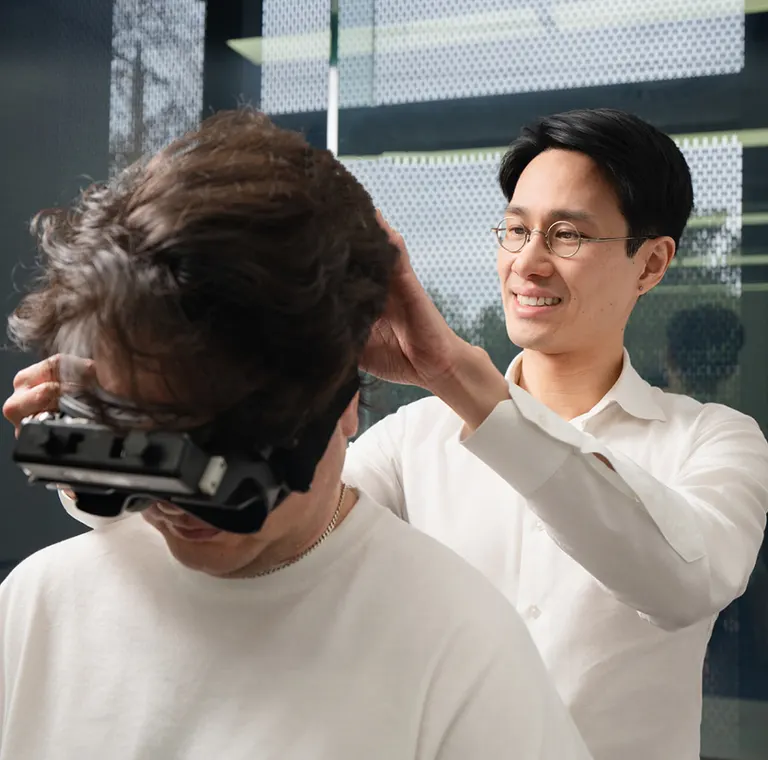
Vestibular function testing may be recommended to assess how the inner ear balance system is working. This can help identify whether there has been a vestibular injury, whether one side is weaker, or whether findings suggest another diagnosis.
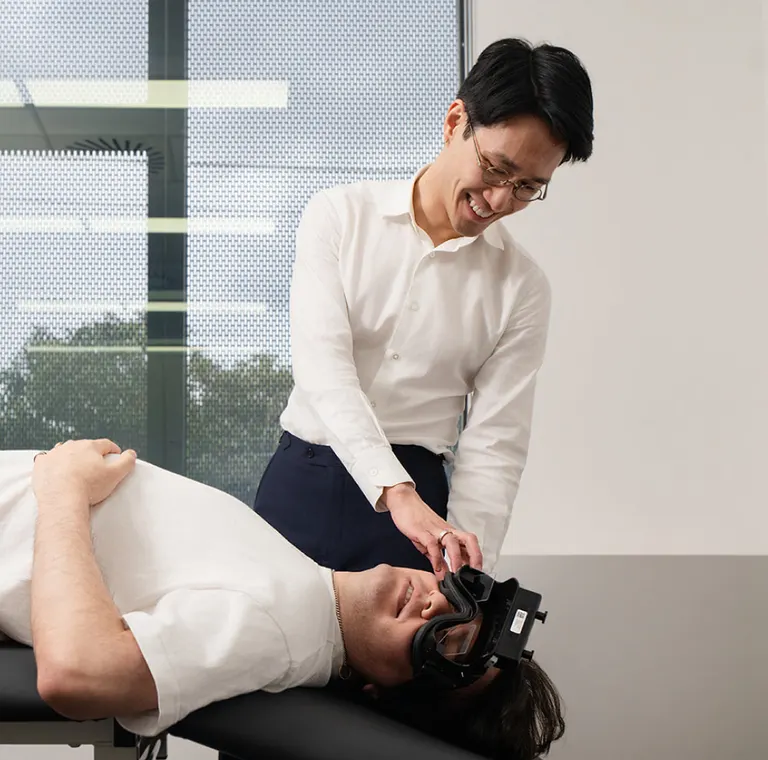
Positional testing may be performed if symptoms are triggered by rolling over, lying down or looking up, as this may suggest BPPV.
Hearing assessment may be considered if tinnitus, ear pressure or hearing fluctuation are present.
Nerve conduction studies or EMG may be recommended if imbalance could be related to peripheral neuropathy or neuromuscular disease.
Testing should have a purpose. The goal is to clarify the diagnosis, identify overlapping conditions and guide treatment.
Can PPPD Be Treated?
Yes. PPPD can improve, especially when patients receive a clear explanation and a structured treatment plan.
Treatment often involves several parts. Education is important because understanding PPPD reduces fear and helps patients engage in recovery. Vestibular rehabilitation may help retrain balance, movement tolerance and visual sensitivity. Cognitive behavioural therapy can help some patients change protective patterns, reduce avoidance and manage the anxiety loops that often develop around dizziness. Medication may be considered in selected patients, particularly when anxiety, migraine biology or persistent sensory sensitivity are significant.
Recent reviews have found that conservative therapies, including vestibular rehabilitation, cognitive behavioural therapy and selective serotonin reuptake inhibitors in selected patients, can improve symptoms and functional status in PPPD.
Treatment needs to be individualised. Some people need a slow, graded rehabilitation plan. Others need migraine treatment first. Some need help reducing visual sensitivity. Others need support rebuilding confidence with walking, driving, exercise or busy environments.
Why Is Avoidance a Problem?
Avoidance is understandable. If supermarkets, crowds, stairs, screens or head movement make you feel dizzy, it is natural to avoid them.
The problem is that long-term avoidance can teach the brain that these normal activities are dangerous. This can make the balance system even more sensitive over time.
Treatment for PPPD often involves gradual, supported re-exposure to movement and visual environments. This does not mean forcing yourself through severe symptoms. It means rebuilding tolerance in a structured way, so the brain can relearn that movement and visual complexity are safe.
This is one reason professional guidance can be helpful. Exercises need to be challenging enough to create adaptation, but not so intense that they cause major flare-ups.
Is PPPD the Same as Anxiety?
No. PPPD is not the same as anxiety, although anxiety can be involved.
Some people develop PPPD after anxiety or panic. Others develop anxiety because dizziness is frightening and unpredictable. Many patients with PPPD are anxious about symptoms because they have repeatedly felt unsafe, off balance or misunderstood.
Anxiety can increase body vigilance and make dizziness feel worse. However, calling PPPD “just anxiety” is not accurate and can be harmful. PPPD is best understood as a functional vestibular disorder involving balance perception, sensory processing and protective behaviour patterns.
A good treatment plan respects both sides: the vestibular symptoms are real, and the nervous system can be retrained.
Why Choose Melbourne Balance Clinic for PPPD?
Melbourne Balance Clinic provides specialist assessment for vertigo, dizziness and balance disorders, including PPPD and the conditions that commonly trigger or overlap with it.
Our approach is designed to identify the full picture. We assess vestibular causes, migraine features, positional vertigo, neurological contributors, visual sensitivity, falls risk and symptom patterns over time.
This is especially important for PPPD because many patients have had normal tests or unclear explanations. A clear diagnosis can be a major turning point. It helps patients understand why symptoms persist and what can be done to improve them.
The aim is to provide a practical management pathway, not just reassurance. Where appropriate, care may involve vestibular rehabilitation, migraine management, medication discussion, psychological strategies and communication with your GP or other treating clinicians.
When Should I Book an Appointment?
You should consider booking an appointment if you have dizziness, unsteadiness or non-spinning vertigo on most days, especially if symptoms have lasted for three months or more.
You may also benefit from assessment if symptoms are worse when standing, walking, moving your head, using screens, scrolling, driving, shopping or being in visually busy environments.
An appointment may be particularly helpful if your symptoms began after BPPV, vestibular migraine, vestibular neuritis, concussion, panic attacks or another dizziness episode, and have not fully settled.
Book an Appointment for PPPD in Melbourne
PPPD can be exhausting and isolating, but it is a recognised and treatable condition. Many people improve when the diagnosis is clear, overlapping conditions are addressed, and treatment is introduced in a structured way.
Melbourne Balance Clinic provides specialist assessment for persistent postural-perceptual dizziness, chronic dizziness, visual motion sensitivity, imbalance and complex vestibular disorders.
Contact Melbourne Balance Clinic to arrange an appointment and take the next step towards understanding and managing your dizziness.
Last reviewed October 2026
Sources5 references
- PubMed; Diagnostic criteria for persistent postural-perceptual dizziness (PPPD): Consensus document of the committee for the Classification of Vestibular Disorders of the Bárány Society: https://pubmed.ncbi.nlm.nih.gov/29036855
- PMC PubMed Central; Effect of conservative therapy for persistent postural-perceptual dizziness: a systematic review and meta-analysis: https://pmc.ncbi.nlm.nih.gov/articles/PMC12612630
- Waterston, J., Chen, L., Mahony, K., Gencarelli, J., Stuart, G., 2021. Persistent Postural-Perceptual Dizziness: Precipitating Conditions, Co-morbidities and Treatment With Cognitive Behavioral Therapy. Front. Neurol. 12. https://doi.org/10.3389/fneur.2021.795516
- Popkirov, S., Staab, J.P., Stone, J., 2018. Persistent postural-perceptual dizziness (PPPD): a common, characteristic and treatable cause of chronic dizziness. Practical Neurology 18, 5–13. https://doi.org/10.1136/practneurol-2017-001809
- Popkirov, S., Stone, J., Holle-Lee, D., 2018. Treatment of Persistent Postural-Perceptual Dizziness (PPPD) and Related Disorders. Curr Treat Options Neurol 20, 50. https://doi.org/10.1007/s11940-018-0535-0