Introduction
Vestibular migraine is a type of migraine that affects the balance system. Instead of causing only headache, it can cause vertigo, dizziness, imbalance, motion sensitivity, nausea, visual discomfort and sensitivity to busy environments.
For some people, vestibular migraine causes clear attacks of spinning vertigo. For others, it feels more like rocking, swaying, light-headedness, brain fog or difficulty tolerating movement. Symptoms may last minutes, hours or days, and can occur with or without headache.
This can make vestibular migraine confusing. Many patients do not realise migraine can affect balance, especially if headache is not the main symptom. Some people are initially told they have “inner ear vertigo”, anxiety, BPPV or unexplained dizziness before vestibular migraine is considered.
At Melbourne Balance Clinic, our assessment includes questions designed to help identify vestibular migraine as part of a broader evaluation of vertigo, dizziness and balance disorders. Our aim is to clarify the diagnosis, identify contributing factors and develop a treatment plan that helps reduce attacks and improve day-to-day function.
What Is Vestibular Migraine?
Vestibular migraine is a migraine disorder where dizziness, vertigo or imbalance are major symptoms. The vestibular system is the part of the nervous system that helps control balance, eye movements and spatial orientation.
Migraine is not just a headache condition. It can involve changes in how the brain processes sensory information, including movement, light, sound, visual patterns and body position. In vestibular migraine, these migraine pathways can affect balance processing, leading to episodes of dizziness or vertigo.
Vestibular migraine can involve dizziness and loss of balance, and symptoms may not go away when the headache starts or stops. Episodes of dizziness or imbalance may last minutes, days, or longer, and symptoms often occur without headaches.
Can You Have Vestibular Migraine Without a Headache?
Yes. This is one of the most important things for patients to understand.
Some people with vestibular migraine have obvious migraine headaches. These may be one-sided, throbbing, moderate to severe, and worse with physical activity. They may come with nausea, light sensitivity or sound sensitivity.
However, many people with vestibular migraine have little or no headache during their dizzy episodes. Their main symptoms may be vertigo, unsteadiness, nausea, motion sensitivity, visual sensitivity or a feeling that the brain is struggling to process movement.
This is why vestibular migraine is often missed. Patients may not mention migraine because they do not think their symptoms are “migraine enough”. A careful history is often the key to diagnosis.
What Does Vestibular Migraine Feel Like?
Vestibular migraine can feel different from person to person. It may cause spinning vertigo, but it can also cause symptoms that are less easy to describe.
Common symptoms include:
Vertigo, including spinning, rocking, swaying or tilting sensations
Dizziness, light-headedness or feeling “off”
Imbalance or unsteadiness when walking
Nausea or motion sickness
Sensitivity to head movement
Difficulty tolerating supermarkets, shopping centres, scrolling screens or busy visual environments
Light sensitivity, sound sensitivity or visual aura
Brain fog, fatigue or reduced concentration during attacks
Headache, although this may be mild or absent
Ear pressure, tinnitus or sound sensitivity in some patients
Some people feel mostly normal between attacks. Others develop ongoing motion sensitivity or persistent dizziness between episodes, particularly if vestibular migraine overlaps with persistent postural-perceptual dizziness, also known as PPPD.
Why Does Migraine Affect Balance?
Balance depends on the brain combining information from the inner ears, eyes, muscles, joints and nerves. The brain must constantly compare these signals to work out where the body is in space.
In migraine, people can report becoming more sensitive to sensory input. Light, sound, movement, visual patterns, sleep disruption, hormonal changes, stress or certain foods may trigger symptoms in susceptible people.
When migraine affects the balance pathways, the brain may become less tolerant of normal movement or visual motion. This can cause dizziness when turning the head, travelling in a car, walking through a supermarket aisle, using a computer, scrolling on a phone or being in a crowd.
This does not mean the symptoms are imagined. Vestibular migraine is a recognised neurological condition. The problem is in the way the nervous system is processing balance and sensory information.
How Common Is Migraine in Australia?
Migraine is common in Australia and can cause a significant burden. The Australian Institute of Health and Welfare reported in 2025 that around 1.7 million Australians are living with migraine. The AIHW also reports that migraine accounts for 1.6% of the non-fatal burden of disease in Australia, with females having an age-standardised burden rate 2.4 times that of males.
Vestibular migraine is a specific migraine subtype. It is commonly seen in dizziness and balance clinics, particularly among people with recurrent vertigo, motion sensitivity and dizziness that has not been fully explained by standard tests.
What Can Trigger Vestibular Migraine?
Triggers vary between patients. Some people have very clear patterns, while others have attacks that seem unpredictable.
Common triggers may include poor sleep, skipped meals, dehydration, stress, hormonal changes, bright light, glare, loud sound, strong smells, alcohol, certain foods, prolonged screen use, travel, neck tension, illness or intense visual environments.
Triggers are not always the cause of the condition. They are factors that can lower the threshold for an attack. For example, a person may tolerate poor sleep or stress individually, but develop dizziness when several triggers occur together.
Identifying patterns can be helpful, but treatment should not rely only on avoiding triggers. Many patients also need strategies to improve migraine control and an appropriate action plan for when their symptoms hit.
How Is Vestibular Migraine Diagnosed?
Vestibular migraine is usually diagnosed through a detailed clinical assessment. There is no single blood test or scan that confirms it.
Your doctor will ask about the nature of your dizziness, how long attacks last, how often they occur, whether you experience headache, light sensitivity, sound sensitivity, visual aura, nausea, motion sickness, hormonal patterns, family history of migraine and triggers.
International diagnostic criteria for vestibular migraine include repeated episodes of vestibular symptoms, a current or previous history of migraine, migraine features during at least some episodes, and symptoms not being better explained by another vestibular or headache disorder.
The diagnosis also involves considering other causes. BPPV, Ménière’s disease, vestibular neuritis, PPPD, medication effects, blood pressure changes and neurological conditions can all cause dizziness or vertigo. Some patients have more than one condition at the same time.
What Tests Might Be Needed?
Testing depends on your symptoms and examination findings. Not every patient with vestibular migraine needs extensive testing, but testing can be useful when the diagnosis is unclear or when symptoms suggest another vestibular disorder.
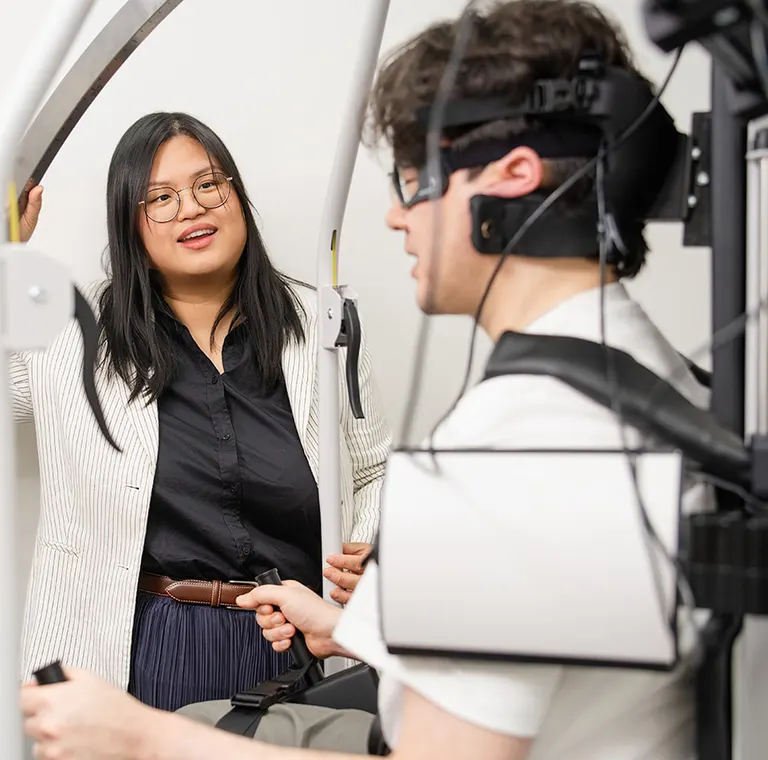
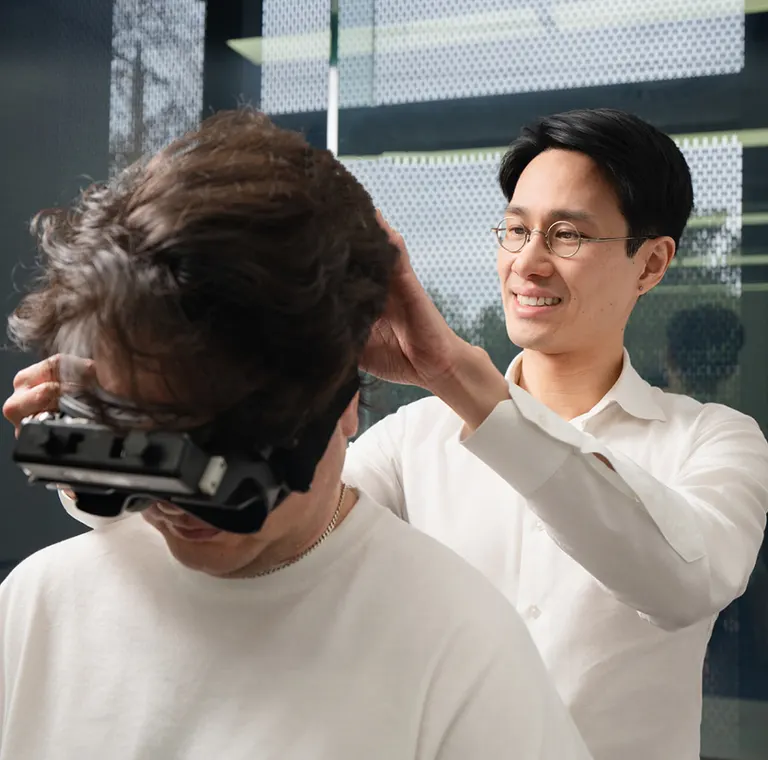
Vestibular function testing may be recommended to assess how the inner ear balance organs are working. This can help identify whether there is reduced function on one or both sides, whether findings suggest another vestibular condition, or whether the results support a migraine-related diagnosis.
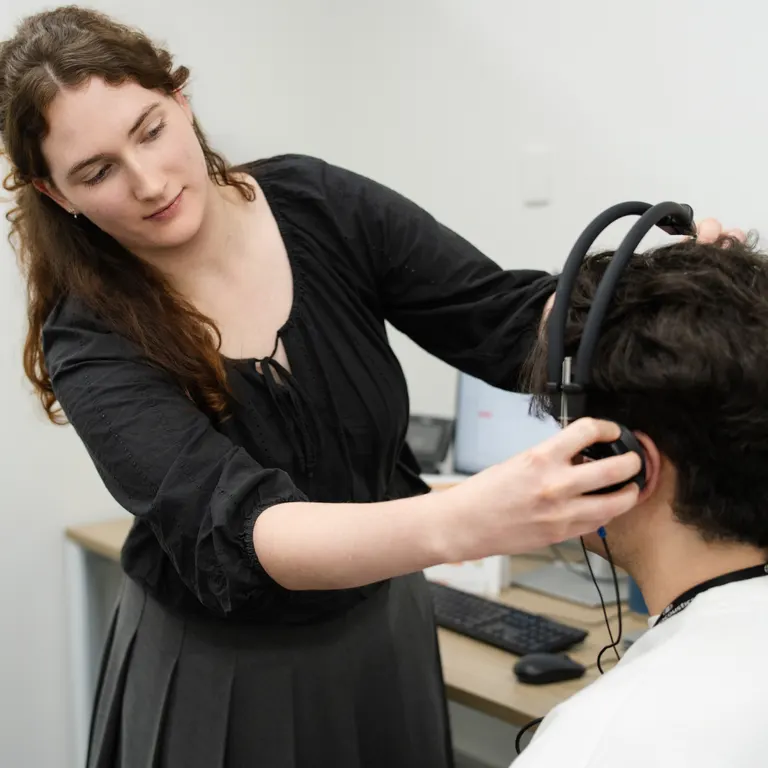
Hearing tests may be useful if you have tinnitus, ear pressure or fluctuating hearing loss, as these symptoms can overlap with Ménière’s disease.
Imaging is often used to rule out secondary causes of migraine, particularly if symptoms are atypical, progressive, associated with neurological signs or do not fit a typical vestibular migraine pattern.
At Melbourne Balance Clinic, testing is used to answer a clinical question. The goal is not simply to run tests, but to reach a clearer diagnosis and guide treatment.
Can Vestibular Migraine Be Treated?
Yes. Vestibular migraine can often be improved with a structured treatment plan.
Treatment may include education, trigger management, sleep and routine improvement, hydration, regular meals, exercise, migraine prevention strategies, medication where appropriate, and vestibular rehabilitation in selected patients.
For some people, improving sleep, reducing skipped meals and managing sensory triggers can make a meaningful difference. For others, preventive medication may be considered, particularly when attacks are frequent, severe or disabling.
Vestibular rehabilitation can help some patients improve motion tolerance, balance confidence and visual dependence. However, it needs to be introduced carefully.
If vestibular migraine overlaps with PPPD, treatment may also focus on gradually retraining the brain’s response to movement, posture and visually busy environments.
How Is Vestibular Migraine Different From BPPV?
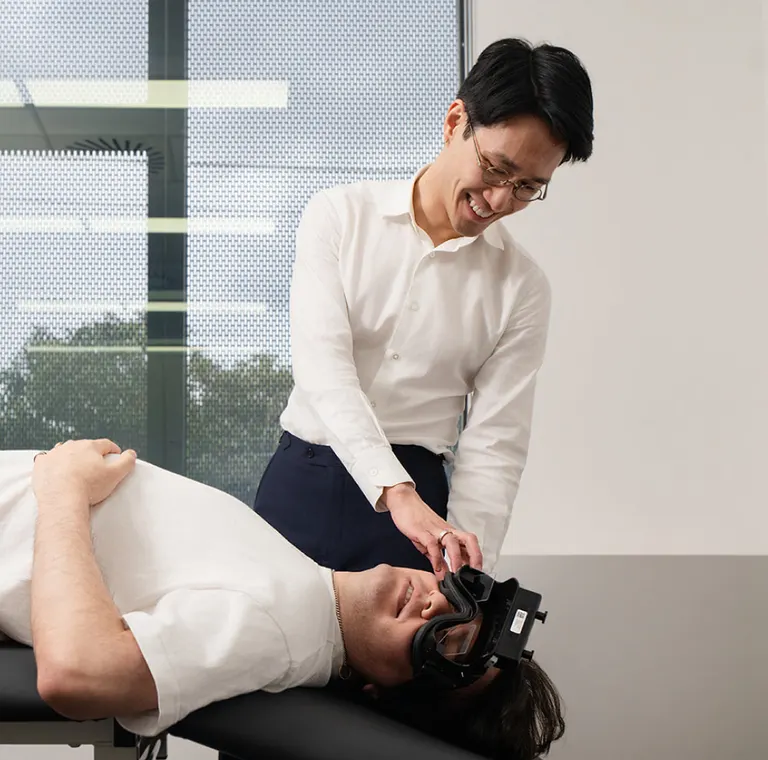
BPPV usually causes brief spinning vertigo triggered by specific head positions, such as rolling over in bed, lying down, looking up or bending forward. Episodes often last seconds to minutes, although nausea and imbalance can last longer.
Vestibular migraine can cause attacks lasting seconds to days. It may be triggered by sleep disruption, stress, hormonal changes, sensory overload, travel, screens or visual motion. It may occur with light sensitivity, sound sensitivity, headache, aura or nausea.
The two conditions can overlap or coexist. This is why careful positional testing and clinical history are important.
How Is Vestibular Migraine Different From Ménière’s Disease?
Ménière’s disease and vestibular migraine can both cause vertigo which occurs spontaneously. These episodes can last hours to days in some cases.
Spontaneous vertigo in migraine can be associated with migrainous triggers, headaches and other neurological symptoms such as visual distortions/aura.
Ménière’s disease typically causes symptoms on one side and is classically associated with fluctuating hearing, tinnitus and a sense of fullness. The vertigo caused by Ménière’s disease can be severe enough to cause nausea and vomiting.
Differentiating between the two conditions is difficult and they can overlap significantly. Testing such as vestibular event monitoring and documenting fluctuating hearing loss with formal audiometric testing can help differentiate between the two conditions.
Why Choose Melbourne Balance Clinic?
Melbourne Balance Clinic provides specialist assessment for patients with vertigo, dizziness and balance disorders, including vestibular migraine.
Vestibular migraine can be difficult to diagnose because symptoms can resemble Ménière’s disease, PPPD, recurrent BPPV or other causes of imbalance. Many patients have normal tests, which can add to confusion.
Our clinic takes a detailed approach. We assess the pattern of dizziness in the clinical history, migraine features, vestibular signs, neurological factors and possible overlapping conditions. Clinical vestibular testing can be used to clarify whether there are objective deficits in inner ear balance system function.
The aim is to provide a clear explanation, practical treatment plan and coordinated pathway forward.
When Should I Book an Appointment?
You should consider booking an appointment if you have recurrent vertigo, dizziness with migraine symptoms, dizziness without a clear cause, motion sensitivity, visual sensitivity, nausea with movement, or difficulty tolerating busy environments.
You may also benefit from assessment if you have been told your dizziness is “just migraine” but do not have a clear management plan, or if you have tried treatment but symptoms continue to affect your quality of life.
Book an Appointment for Vestibular Migraine in Melbourne
Vestibular migraine can be disruptive, but it is a recognised and manageable condition. With the right diagnosis and treatment plan, many people can experience a reduction in the severity or frequency of attacks, improve their sense of balance and regain confidence when performing daily activities.
Contact Melbourne Balance Clinic to arrange an appointment for specialist assessment of vestibular migraine, vertigo, dizziness and balance symptoms.
Last reviewed October 2026
Sources8 references
- Healthdirect; Migraine: https://www.healthdirect.gov.au/migraine
- The Royal Victorian Eye and Ear Hospital; Vestibular Migraine: https://eyeandear.org.au/patients-visitors/fact-sheets/vestibular-migraine
- Australian Institute of Health and Welfare (AIHW); AIHW media releases; 5-Dec-25: https://www.aihw.gov.au/news-media/media-releases/2025/2025-december/new-report-finds-1-7-million-australians-are-living-with-migraine
- Australian Institute of Health and Welfare (AIHW); Neurological conditions in Australia; Migraine and headaches in Australia: https://www.aihw.gov.au/reports/neurological-conditions/migraine-and-headache-disorders
- International Headache Society; ICHD-3; Migraine: https://ichd-3.org/appendix/a1-migraine/a1-6-episodic-syndromes-that-may-be-associated-with-migraine/a1-6-6-vestibular-migraine
- Beh, S.C., Masrour, S., Smith, S.V., Friedman, D.I., 2019. The Spectrum of Vestibular Migraine: Clinical Features, Triggers, and Examination Findings. Headache: The Journal of Head and Face Pain 59, 727–740. https://doi.org/10.1111/head.13484
- Chen, J.-Y., Guo, Z.-Q., Wang, J., Liu, D., Tian, E., Guo, J., Kong, W.-J., Zhang, S.-L., 2023. Vestibular migraine or Meniere’s disease: a diagnostic dilemma. J Neurol 270, 1955–1968. https://doi.org/10.1007/s00415-022-11532-x
- Villar-Martinez, M.D., Goadsby, P.J., 2024. Vestibular migraine: an update. Current Opinion in Neurology 37, 252–263. https://doi.org/10.1097/WCO.0000000000001257