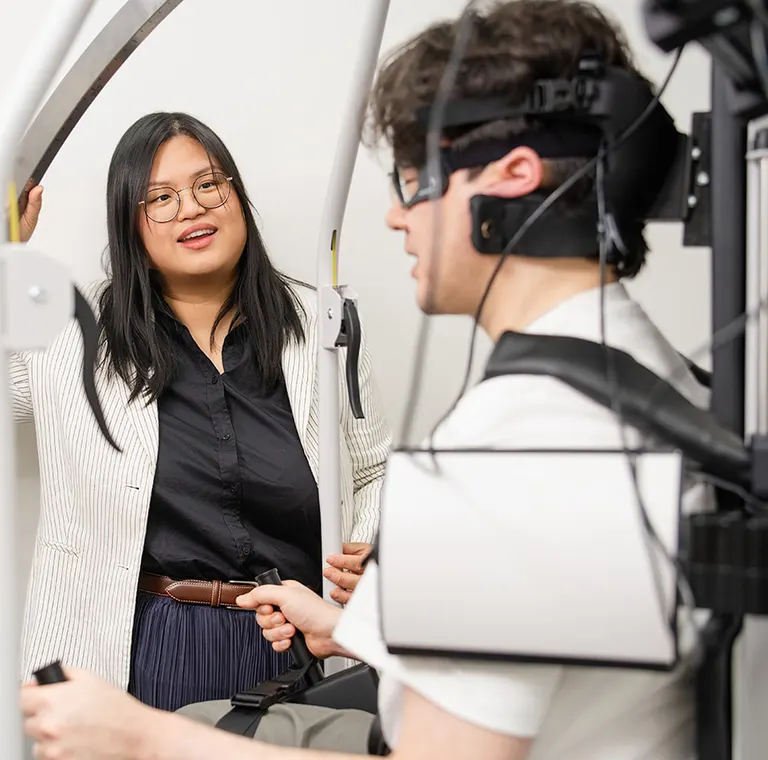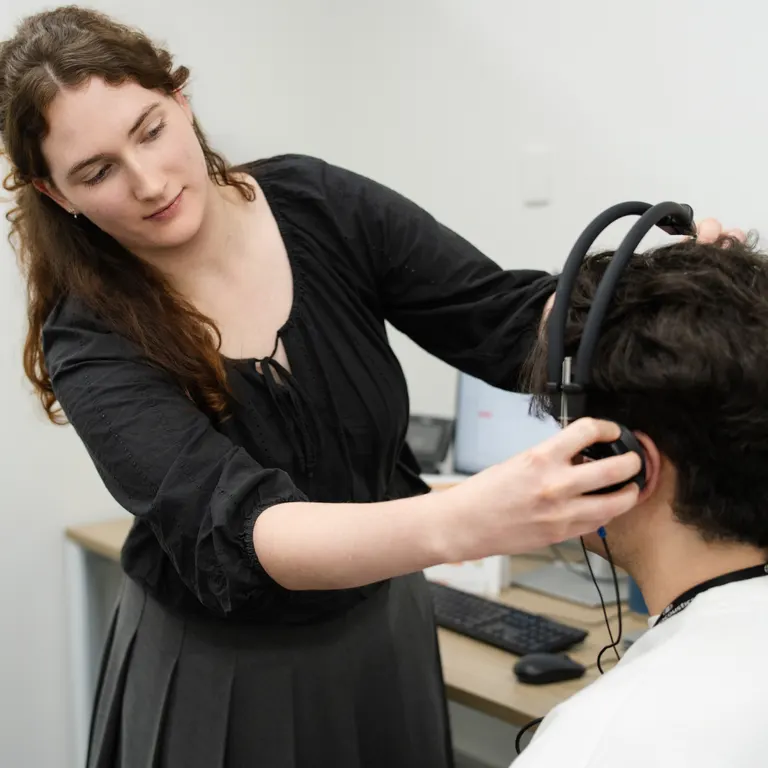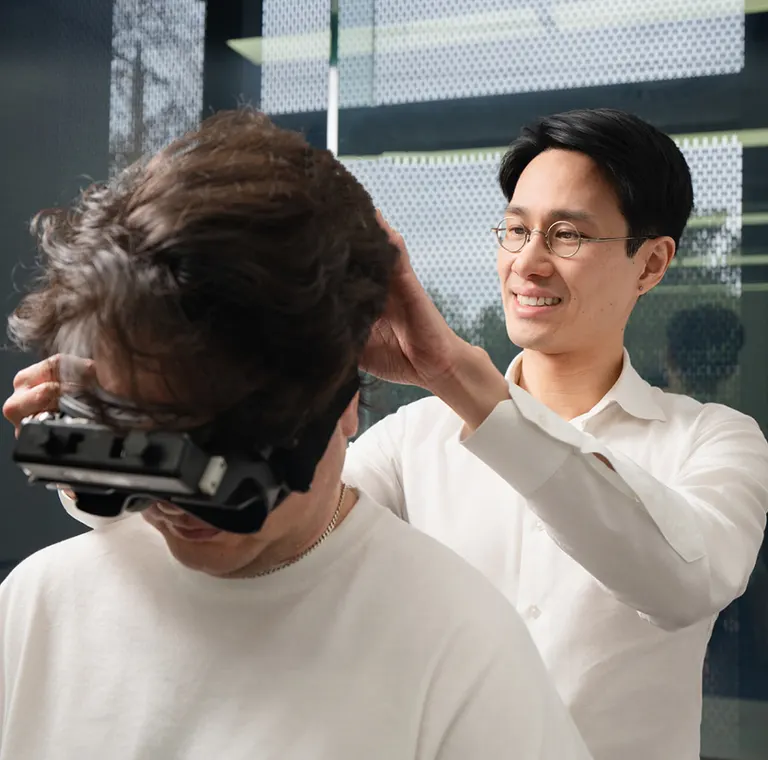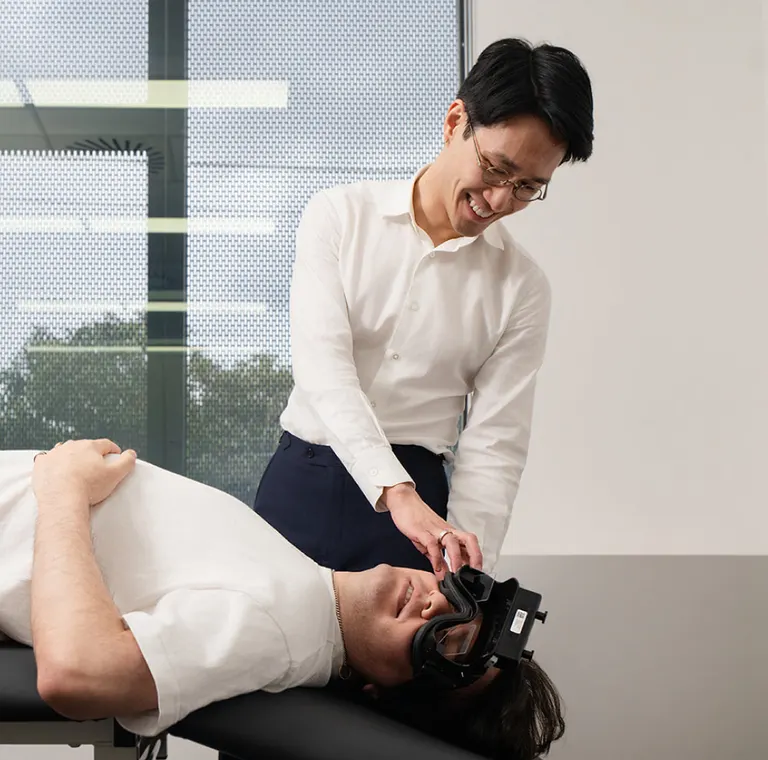
Introduction
Vestibular event monitoring is used to help assess episodes of vertigo or dizziness that come and go. It may be recommended when symptoms are difficult to capture during a standard appointment, or when the diagnosis remains unclear because attacks are intermittent.
Many people with dizziness feel relatively well by the time they see a doctor. This can make diagnosis challenging, especially if the most useful clinical signs are only present during an attack.
At Melbourne Balance Clinic, vestibular event monitoring may be used as part of a broader assessment of episodic vertigo, recurrent dizziness and complex balance symptoms. The aim is to capture useful information during real-world symptoms and use this information to guide diagnosis and treatment.
What Is Vestibular Event Monitoring?
Vestibular event monitoring involves recording information during an episode of vertigo or dizziness.
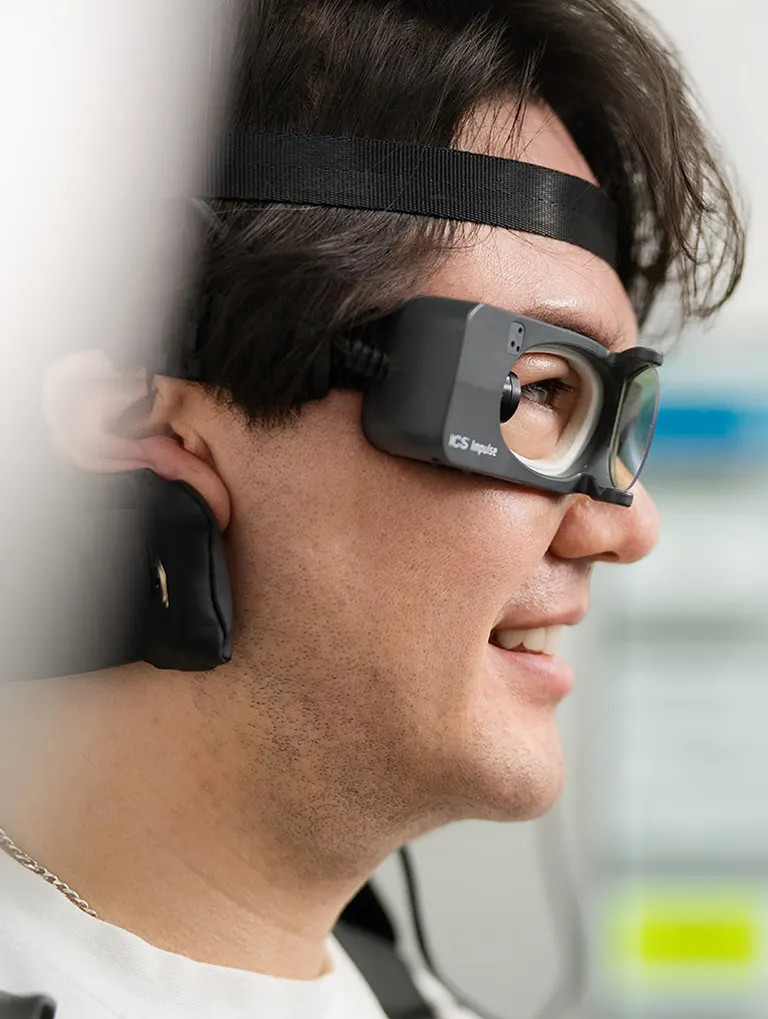
Depending on the clinical situation, this may involve recording eye movements, symptoms, timing, triggers and associated features during an attack. Eye movements are particularly important because many vestibular disorders cause characteristic involuntary eye movements, known as nystagmus.
Research has shown that patient-initiated vestibular event monitoring is feasible and may help improve the diagnosis of episodic vestibular disorders.
In simple terms, the test aims to answer the question: what is happening to the balance system when your symptoms are actually occurring?
Why Might I Need Vestibular Event Monitoring?
You may be considered for vestibular event monitoring if your dizziness or vertigo occurs in episodes and is difficult to diagnose from a single clinic appointment.
This may include symptoms such as:
Recurrent vertigo that comes and goes
Sudden dizziness attacks that have settled by the time you are examined
Episodes that occur unpredictably
Symptoms that may be due to BPPV, vestibular migraine, Ménière’s disease or another episodic vestibular condition
Dizziness associated with nausea, imbalance or visual disturbance
Attacks where the trigger, duration or pattern is unclear
Ongoing diagnostic uncertainty despite previous assessment
Not every patient needs event monitoring. It is most useful when capturing an episode may change the diagnosis or treatment plan.
What Symptoms Can Event Monitoring Help Capture?
Vestibular event monitoring may help document the pattern of symptoms during an episode. This can include whether the dizziness feels like spinning, rocking, tilting, swaying, light-headedness or imbalance.
It can also help record how long attacks last, whether they are triggered by head position, whether they occur with hearing symptoms, whether there are migraine features, and whether abnormal eye movements are present.
For example, brief positional vertigo with a characteristic eye movement pattern may suggest BPPV. Longer episodes with migraine features may suggest vestibular migraine. Vertigo with hearing fluctuation, tinnitus or ear pressure may raise concern for Ménière’s disease.
The value of monitoring is that it may provide objective or structured information during an attack, rather than relying only on memory after the event.
How Does Eye Movement Help With Diagnosis?
The vestibular system is closely connected to the eyes. When the inner ear balance organs detect head movement, they help keep vision stable through a reflex known as the vestibulo-ocular reflex.
When the vestibular system is irritated, underactive or sending mismatched signals, the eyes may make involuntary movements. These movements can provide important clues about whether symptoms are coming from the inner ear, the brain, or another part of the balance system.
This is why vestibular testing often records eye movements. The vestibular system includes parts of the inner ear and brain that help control balance and eye movements.
What Happens During Vestibular Event Monitoring?
The exact process depends on the type of monitoring recommended and the symptoms being investigated.
You may be asked to record symptoms when they occur, including the time, duration, triggers and associated features. In some cases, a device may be used to record eye movements or balance-related information during an episode.
You may also be asked to note whether the episode occurred while lying down, rolling over, walking, turning the head, travelling, using screens, being in a busy visual environment, or after sleep disruption, stress or migraine triggers.
The information is then reviewed in the context of your history, examination and any vestibular function testing.
Will Monitoring Diagnose Every Episode?
Not always. Vestibular event monitoring can be helpful, but it does not diagnose every cause of dizziness.
Some episodes may not occur during the monitoring period. Some disorders may not produce clear eye movement changes. Other causes, such as blood pressure changes, heart rhythm problems, medication effects, panic attacks or neurological conditions, may require different forms of assessment.
A normal or inconclusive result does not mean your symptoms are not real. It simply means the recorded information did not confirm a specific vestibular pattern.
How Can Results Guide Treatment?
Vestibular event monitoring can help guide treatment by clarifying what type of dizziness episode is occurring.
If monitoring supports BPPV, repositioning treatment may be recommended. If the pattern is more consistent with vestibular migraine, treatment may focus on migraine prevention, trigger management and motion sensitivity. If Ménière’s disease is suspected, hearing assessment and inner ear management may be needed.
If the result does not support a vestibular cause, your doctor may consider other explanations, such as cardiovascular, medication-related, neurological or functional dizziness causes.
The aim is to reduce uncertainty and avoid generic treatment.
Why Choose Melbourne Balance Clinic?
Melbourne Balance Clinic provides vestibular event monitoring within a specialist dizziness and balance service.
This is important because episodic dizziness can be difficult to diagnose. A person may have normal findings between attacks, yet still experience very real and disabling symptoms. By combining event monitoring with clinical assessment, vestibular testing and neurological review, the clinic can build a more complete picture.
Our approach considers common and complex causes of episodic dizziness, including BPPV, vestibular migraine, Ménière’s disease, vestibular neuritis, PPPD and neurological contributors.
Book an Appointment for Vestibular Event Monitoring in Melbourne
Vestibular event monitoring may help when vertigo or dizziness occurs in unpredictable episodes and the diagnosis remains unclear.
Melbourne Balance Clinic provides specialist assessment for recurrent dizziness, episodic vertigo, balance symptoms and complex vestibular disorders.
Contact Melbourne Balance Clinic to arrange an appointment and take the next step towards understanding your symptoms.
Last reviewed October 2026
Sources1 reference
- Young, A.S., Lechner, C., Bradshaw, A.P., MacDougall, H.G., Black, D.A., Halmagyi, G.M., Welgampola, M.S., 2019. Capturing acute vertigo: A vestibular event monitor. Neurology 92. https://doi.org/10.1212/WNL.0000000000007644