
SERVICES
Comprehensive assessment and management of vestibular and neurological balance disorders.
Every condition we treat and every test we run, in one place — so you can find the page that matches your symptoms.
CONDITIONS WE TREAT
Conditions & symptoms
We assess and treat the full range of vestibular and balance disorders, including:
Vertigo & Dizziness
Vertigo and dizziness can be unsettling, frustrating and difficult to describe. Some people feel as though the room is spinning. Others feel light-headed, unsteady, foggy, nauseated or as though they are being pulled to one side.
Vestibular Migraine
Vestibular migraine is a type of migraine that affects the balance system. Instead of causing only headache, it can cause vertigo, dizziness, imbalance, motion sensitivity, nausea, visual discomfort and sensitivity to busy environments.
Benign Paroxysmal Positional Vertigo (BPPV)
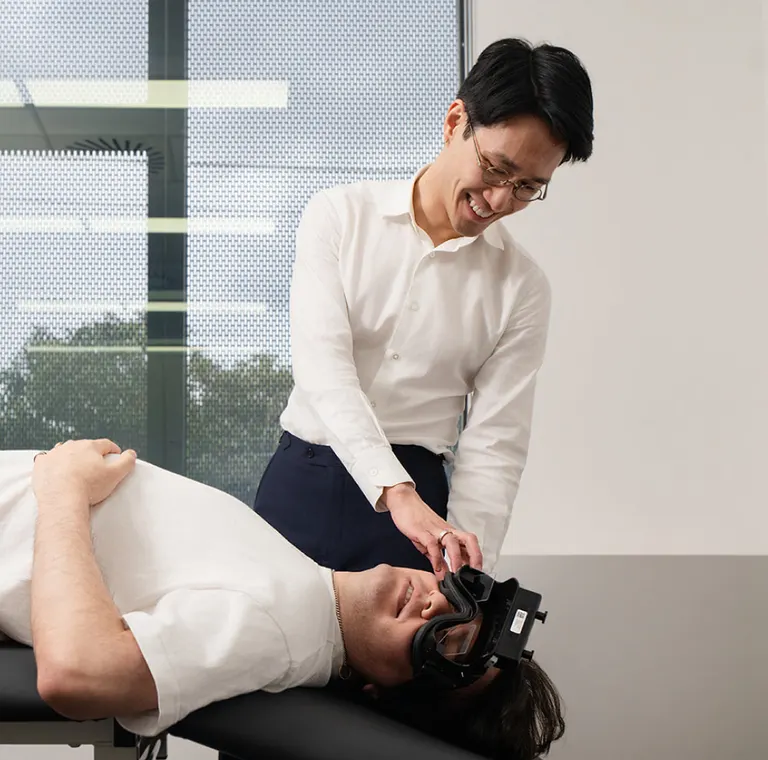
Benign paroxysmal positional vertigo, commonly called BPPV, is one of the most common causes of vertigo. It usually causes brief but intense episodes of spinning dizziness when the head moves into certain positions.
Ménière's Disease
Ménière’s disease is an inner ear disorder that can cause repeated attacks of vertigo, fluctuating hearing loss, tinnitus and pressure or fullness in the ear. Attacks can be unpredictable and disruptive, sometimes making it difficult to work, drive, travel, exercise or plan normal daily activities.
Persistent Postural-Perceptual Dizziness (PPPD)
Persistent postural-perceptual dizziness, often shortened to PPPD, is a condition that causes ongoing dizziness, unsteadiness or non-spinning vertigo. It is usually present on most days for three months or more and is often worse when standing, walking, moving the head, using screens or being in visually busy environments.
Acute Unilateral Vestibulopathy / Vestibular Neuritis
Acute unilateral vestibulopathy, also commonly called vestibular neuritis, is a condition that causes sudden vertigo, dizziness, nausea and imbalance. It occurs when one side of the vestibular system, which is the balance system of the inner ear and vestibular nerve, suddenly stops working properly.
Bilateral Vestibulopathy
Bilateral vestibulopathy is a balance disorder where the vestibular system function is reduced on both sides. The vestibular system is the balance system of the inner ear organs and the respective vestibular nerves. It helps the brain detect head movement, stabilise vision during movement, and keep the body steady when standing or walking.
Inherited Balance Disorders
Inherited balance disorders are conditions where dizziness, imbalance, unsteadiness or poor coordination are partly or mainly caused by genetic factors. Some inherited balance disorders begin in childhood or early adulthood. Others develop later in life and may not be recognised until symptoms gradually become more obvious.
DIAGNOSTICS & TESTING
A complete testing clinic, onsite
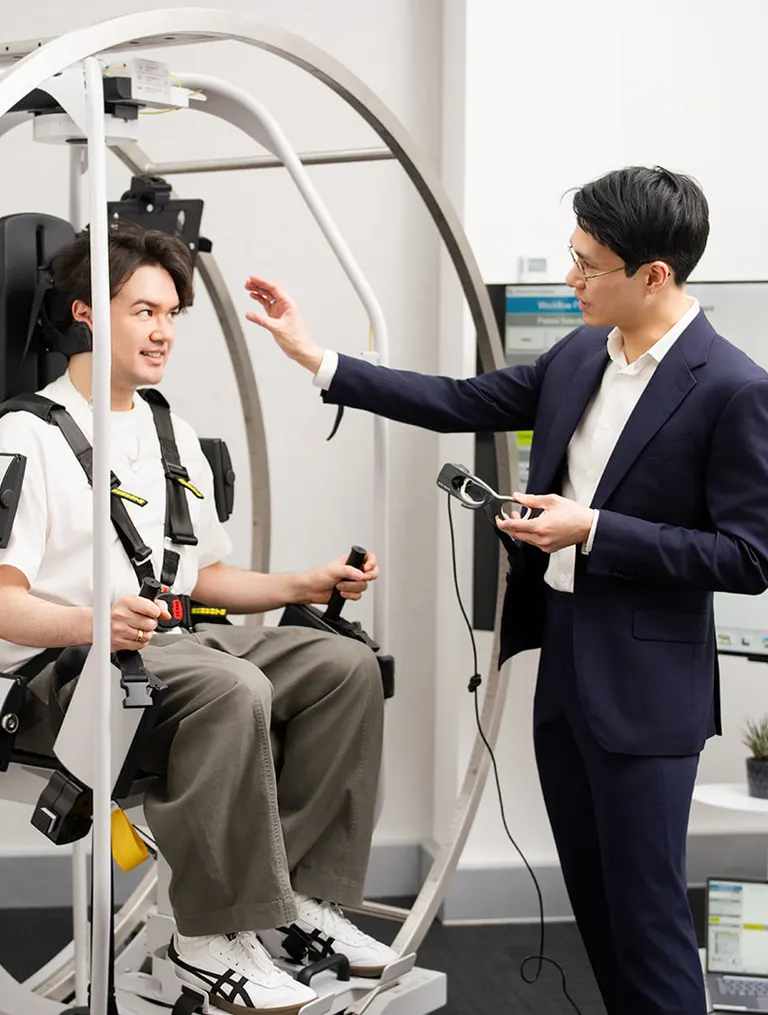
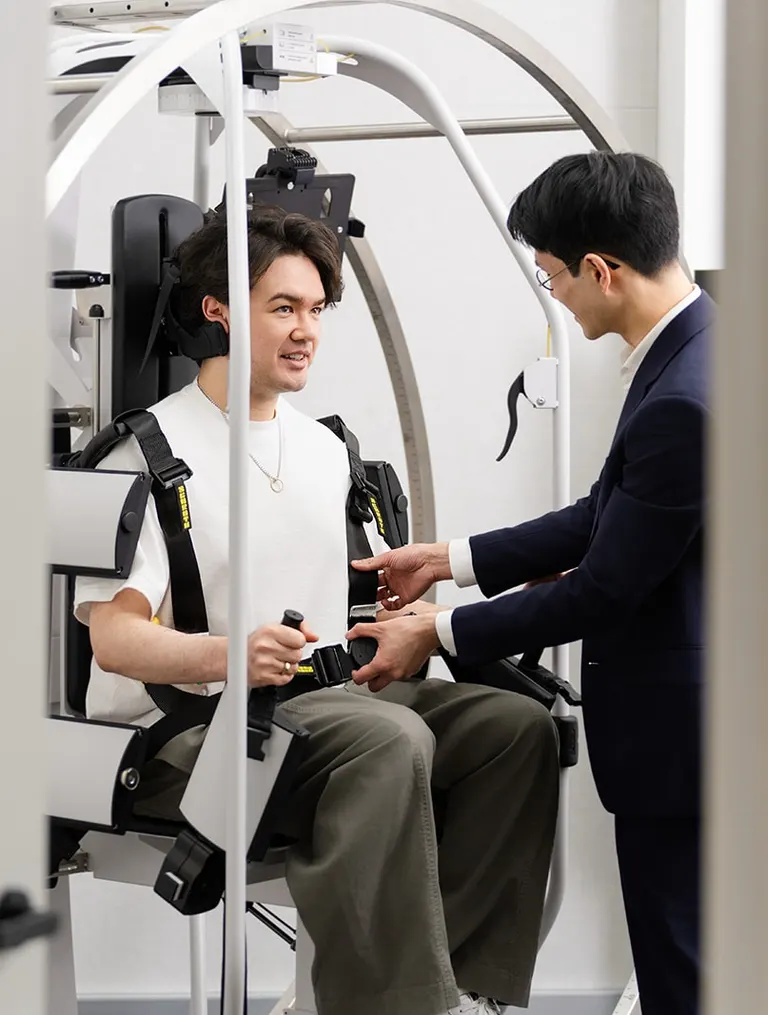
Rotundum Positioning Chair Testing & Treatment
SPECIALIST EQUIPMENTThe Rotundum positioning chair is used to assist with the diagnosis and treatment of benign paroxysmal positional vertigo, commonly known as BPPV. BPPV is one of the most common causes of vertigo and often causes brief spinning dizziness when rolling over in bed, lying down, sitting up, looking up or bending forward.
Vestibular Function Testing
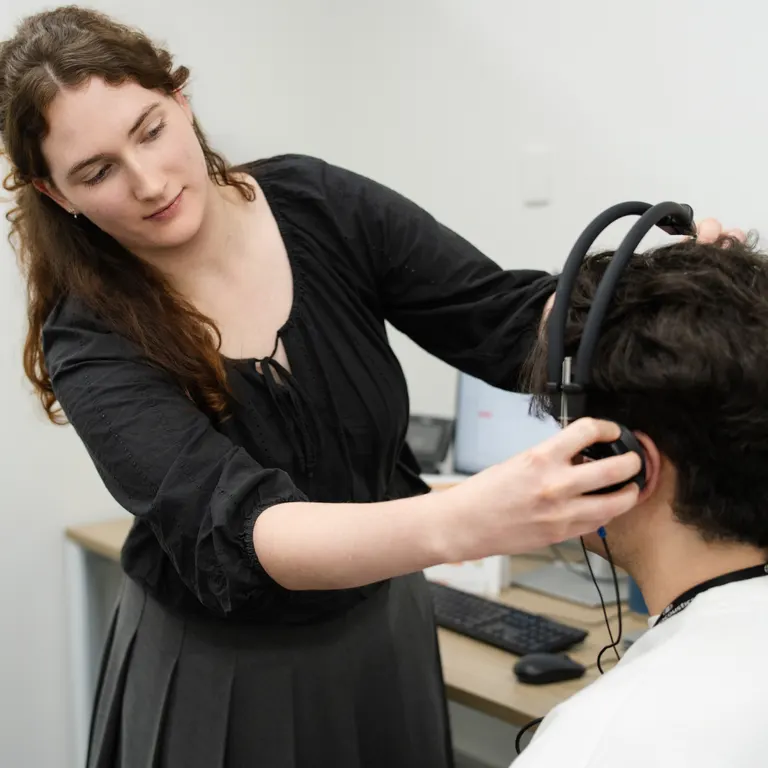
Vestibular function testing is used to assess how well the balance organs of the inner ear and their connections to the brain are working. These tests can help investigate the cause of vertigo, dizziness, imbalance, motion sensitivity, falls and blurred vision with head movement.
Nerve Conduction Studies (NCS) / Electromyography (EMG)
Nerve conduction studies (NCS) and electromyography (EMG) are tests used to assess how well your nerves and muscles are working.
Vestibular Event Monitoring
Vestibular event monitoring is used to help assess episodes of vertigo or dizziness that come and go. It may be recommended when symptoms are difficult to capture during a standard appointment, or when the diagnosis remains unclear because attacks are intermittent.
WHO SHOULD BOOK
With an accurate diagnosis, most balance disorders can be treated, managed or significantly improved.
- Recurrent vertigo or spinning sensations
- Dizziness that has never had a clear diagnosis
- Spinning triggered by rolling over or lying down
- Imbalance, unsteadiness or falls
- Symptoms that haven’t responded to treatment

Referring GP? Urgent referrals within 7 days · written reports within 3 business days
For Referrers

Book an Appointment with Melbourne Balance Clinic
If you are experiencing vertigo, dizziness or balance problems, Melbourne Balance Clinic can help identify the underlying cause and guide the right treatment plan.
Contact us today to arrange an appointment.